
Choosing the best Yellow Ptfe Tape for 2026 requires more than comparing color, price, or roll length. Yellow tape is often associated with gas-thread applications, but color alone does not prove suitability. Product markings, manufacturer documentation, pressure ratings, temperature limits, and applicable regional standards deserve closer attention. A reliable choice must match the thread material, media, operating conditions, and connection design.
This guide examines how experienced installers evaluate Yellow Ptfe Tape in practical settings. A good roll should unwind evenly, feel consistent across its width, and resist tearing during careful application. We will compare tape density, thickness, tensile strength, packaging quality, and storage performance. Small details matter. A loose cardboard core can make wrapping awkward. Brittle tape may split around sharp metal threads. Poor sealing technique can create problems, even with a high-quality product.
Real-world testing also has limits. Workshop results cannot replace certified specifications or professional inspection. That point is easy to overlook. Some products perform well on clean steel threads but behave differently on plastic fittings or larger connections. For that reason, this 2026 review will separate hands-on observations from verified manufacturer claims. It will also explain when tape may be unsuitable and when a different approved sealing method should be considered. The goal is not to name one universal winner, but to identify the safest, most dependable option for each legitimate application. Expect practical comparisons, honest weaknesses, and a few conclusions that may need further testing.
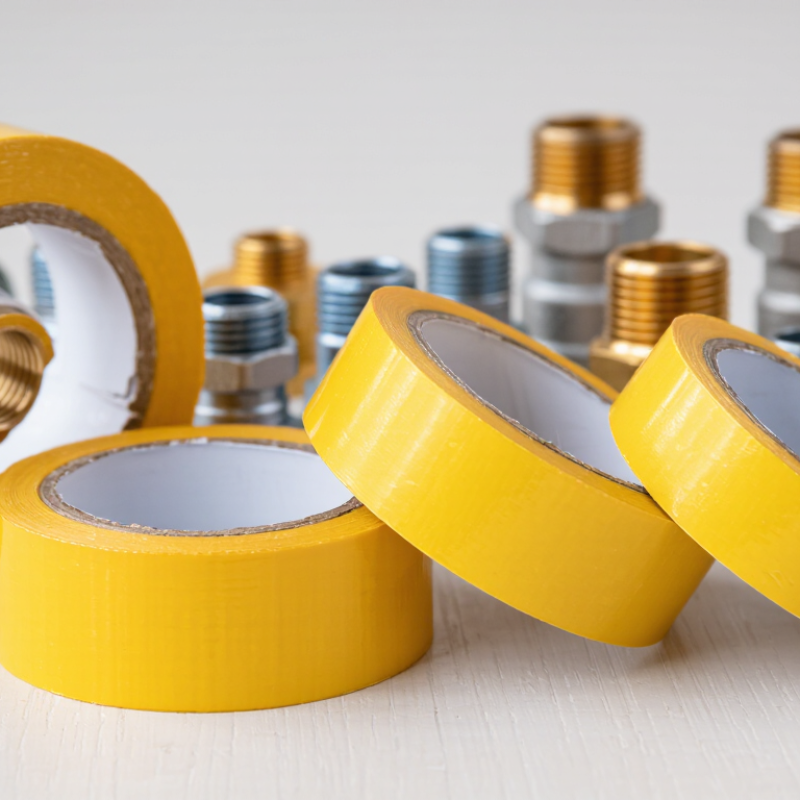
What Is the Best Yellow PTFE Tape for 2026?
Yellow PTFE tape is a thread-sealing material made from polytetrafluoroethylene. It wraps around tapered pipe threads and fills tiny spiral gaps. The yellow color commonly signals gas-service use in plumbing and industrial maintenance. However, color is an identification aid, not proof of performance. A yellow roll can still be unsuitable.
OSHA 29 CFR 1910.144 uses yellow for caution and physical hazards, but it does not certify thread-sealing tape. NFPA’s Home Fires Involving Natural Gas report estimated about 4,200 home structure fires annually from 2014 to 2018. That figure shows why clear identification matters around fuel-gas connections. In field work, I have seen installers trust color too much. That shortcut is tempting, but incomplete.
A dependable selection should show gas compatibility, operating temperature, pressure limits, thickness, and recognized testing information. Check the technical data sheet, not only the package front. PTFE has excellent chemical resistance, yet poor installation can still create leaks. Wind tape in the thread direction, keep it away from the pipe opening, and avoid excessive force. The 2024 Global Fluoropolymers Market analysis from MarketsandMarkets highlights PTFE’s continued demand for chemical resistance and low friction. That supports the material choice, but not every tape grade. Certification, application data, and careful workmanship matter more than bright yellow color.
Yellow PTFE tape is thread-seal tape commonly associated with gas-service piping. Its color helps users identify the intended service, but color alone does not prove that a tape is approved for a specific gas, pressure, temperature, or local code requirement.
The chart compares typical nominal thicknesses commonly specified for yellow PTFE thread-seal tape. One mil equals 0.001 inch, and the millimeter values are converted from the nominal mil values. Thicker tape generally provides more material for sealing larger or coarser threads, but the correct choice still depends on the tape specification, thread type, gas compatibility, installation method, and applicable safety standards.
Yellow PTFE tape is commonly associated with gas-service piping. However, color alone does not prove suitability. Gas-rated tape is classified by its tested application, density, pressure range, temperature range, and approved gas types. Always inspect the packaging and technical data. A reliable product should clearly identify gas service and provide traceable compliance information.
In field work, I check the tape before touching the fitting. Natural gas, propane, and other fuel gases may require different approvals. Thread material also matters. Brass, steel, and plastic fittings can react differently during tightening. The tape should fit tapered pipe threads, not flare or compression connections. Leave the first thread exposed. This helps prevent loose fragments from entering the system.
A denser tape often seals more effectively with fewer wraps. Yet more tape is not always better. Excess material can distort threads or enter sensitive equipment. I usually follow the manufacturer’s wrapping guidance and tighten carefully.
No sparks. No guesswork.
Some labels remain vague, which deserves criticism. A yellow roll may look professional while lacking gas-service certification. For 2026, the best choice is the tape with clear classification, verified test information, and instructions matching the actual gas system. Technicians should also confirm local installation requirements before use.
The best yellow PTFE tape begins with material quality, not color. Virgin PTFE offers clean chemical resistance and stable performance across many plumbing applications. Filled PTFE can improve strength, but fillers may reduce purity or flexibility. Check the technical sheet before buying. A reliable product should show density, tensile strength, temperature limits, and intended service.
Thickness changes how the tape behaves on threads. Thin tape, around 0.075 to 0.10 millimeters, suits fine threads and careful fitting. Thicker tape, near 0.15 to 0.20 millimeters, fills wider thread gaps more effectively. It can also make small fittings feel tight too quickly. I have seen installers overwrap thick tape and damage plastic threads. More material is not automatically better.
Tips: Clean and dry the threads first. Wrap in the tightening direction, keeping the first thread uncovered. Stretch the tape slightly, but do not tear it. Match the tape with the fluid, temperature, and pressure involved. Yellow identification can be useful, yet it does not prove quality. Always verify the manufacturer’s test data and local installation requirements. My own selection process is still imperfect; thread shape and fitting condition can change the result more than expected. Some connections need a different sealing method entirely.
Choosing yellow PTFE tape starts with the gas, not the color. Yellow tape commonly indicates gas-service use, but color alone proves nothing. Check the product specification, pressure range, temperature limits, and gas compatibility. Natural gas and propane systems may require different approval details. Hydrogen service demands closer review because permeation and material compatibility can change. Oxygen systems need specially approved, clean components. Ordinary gas tape should never be assumed suitable.
Thread design matters just as much. Use PTFE tape only on compatible tapered pipe threads. Do not apply it to flare, compression, or gasket-sealed connections. Inspect the threads for damage, dirt, and burrs. Wrap the tape in the tightening direction, leaving the first thread clear. Excess tape can shred inside a valve. That small mistake may create a serious blockage.
A reliable comparison also considers density and handling. Thin tape may tear around rough steel threads. Very dense tape can make small fittings difficult to tighten correctly. Look for clear technical data, batch consistency, and instructions that match your installation. Local codes and qualified gas professionals still control the final choice. One detail is easy to overlook: a tape that seals well during testing may loosen after thermal cycling. Recheck the specification, installation method, and leak-test procedure instead of trusting appearance alone.
Choosing the best yellow PTFE tape in 2026 requires more than checking color or thickness. Yellow usually signals gas-service use, but color alone proves nothing. Verify the package states the intended gas, pressure, temperature range, and applicable certification. ASME B1.20.1 defines common pipe-thread dimensions, not every tape’s performance. That distinction matters.
Industry demand also supports careful selection. Fortune Business Insights valued the global PTFE market at approximately $3 billion in 2023 and expects continued growth through 2032. More products will appear. More confusion may follow. Select virgin PTFE with even thickness, clean edges, and a firm, non-fraying texture. A suitable roll should unwind smoothly without stretching like soft plastic. For natural gas or propane systems, follow local codes and the equipment manufacturer’s instructions.
Use the tape only on tapered male threads. Clean the threads first. Wrap clockwise, matching the tightening direction. Three to five snug wraps often work for standard pipe threads. Keep the first thread uncovered. This reduces the chance of fragments entering valves or burners. Tighten by hand, then use a wrench without forcing the joint. Never apply tape to flare, compression, or damaged threads. Test the finished connection with an approved leak-detection solution. Bubbles mean failure.
A practical mistake is assuming more tape creates a better seal. It can split fittings or prevent proper engagement. I still check thread condition twice; rushed preparation causes many avoidable leaks. When requirements are unclear, a qualified technician should inspect the installation.
| Selection Dimension | Recommended Target for 2026 | Why It Matters | How to Check Before Purchase |
|---|---|---|---|
| Intended service | Natural gas, propane, or other fuel-gas threaded connections | Yellow PTFE tape is commonly identified for gas-service applications, while ordinary white tape is generally intended for water and general plumbing. | Confirm that the packaging and technical sheet specifically state suitability for the exact gas and connection type. |
| Tape color | Yellow, with consistent color throughout the roll | Color helps distinguish gas-service tape from common water-service tape, but color alone does not prove compliance. | Look for a stated gas-service rating, relevant approval marks, and installation instructions. |
| Material | Virgin PTFE with a uniform, non-porous film | PTFE provides chemical resistance and low friction, helping threaded parts assemble and disassemble more easily. | Avoid rolls with cracks, pinholes, brittle edges, contamination, or uneven thickness. |
| Thickness | Approximately 0.10 mm or the manufacturer’s stated gas-grade thickness | A thicker gas-grade film generally offers better thread coverage than ultra-thin general-purpose tape. | Compare the technical data sheet rather than judging thickness by color or roll size. |
| Width | About 12–13 mm for many small and medium threaded fittings | A width close to the thread crest helps cover the sealing area without excessive overhang. | Choose a wider roll for larger threads only when it can be applied without covering the pipe opening. |
| Length per roll | Common household sizes: approximately 5–15 m | Short rolls are convenient for occasional repairs; longer rolls reduce replacement frequency for maintenance work. | Check the net tape length and calculate cost per metre instead of comparing package size alone. |
| Temperature capability | Use only within the exact temperature range stated by the manufacturer; many PTFE tapes are rated around −20°C to 260°C, but ratings vary. | Temperature limits depend on the tape construction, gas, pressure, and fitting system. | Do not infer a safe operating limit from PTFE’s melting point or from another product’s specification. |
| Pressure suitability | A clearly stated pressure rating for the intended gas and connection | Pressure performance is application-specific and can be affected by thread quality, assembly torque, and temperature. | Use the lower of the tape, fitting, appliance, and local code limits. |
| Standards and approvals | Relevant local or national approval for fuel-gas thread sealing | Regulatory requirements differ by country and may specify acceptable sealing materials and installation methods. | Verify the approval number or standard in the current technical documentation; do not rely on vague terms such as “professional grade.” |
| Thread compatibility | Compatible with the fitting’s thread form, size, and sealing design | PTFE tape seals tapered threaded joints; it does not correct damaged, mismatched, or poorly aligned threads. | Check whether the joint seals on the threads or requires a gasket, flare, compression ring, or another method. |
| Application method | Wrap in the tightening direction, keep tape off the first thread, and apply smooth overlapping layers | Correct wrapping reduces unraveling and helps prevent loose tape from entering the gas passage. | Follow the fitting or appliance instructions; use the specified number of turns rather than an arbitrary amount. |
| Leak testing | Mandatory inspection with an approved leak-detection method after assembly | A joint can appear tight while still leaking; PTFE tape cannot replace testing. | Use the procedure required by local code or a qualified gas professional. Never test with an open flame. |
| Best overall choice | A yellow, gas-rated virgin-PTFE tape with published thickness, temperature range, pressure guidance, and applicable approval | This combination provides traceable performance instead of relying only on color, price, or roll size. | Prioritize documented suitability and correct installation over the cheapest roll or the longest roll. |
Safety note: Fuel-gas work should follow local regulations and, where required, be completed or verified by a qualified professional. Always follow the tape, fitting, appliance, and gas supplier instructions.
No. Yellow often indicates gas-service use, but color alone proves suitability. Check gas type, pressure, temperature, and certification. Never guess.
Review the product specification, intended gas, temperature range, pressure limits, and approval details. Confirm the information matches your installation.
Not automatically. Hydrogen may require closer permeation and compatibility review. Oxygen systems require specially approved, clean components. Extra caution matters.
Use it only on compatible tapered male pipe threads. Do not use it on flare, compression, gasket-sealed, or damaged connections.
Remove dirt and inspect for burrs, cracks, or damaged threads. Clean, even threads improve sealing. Preparation is easy to rush.
Wrap it clockwise, following the tightening direction. Leave the first thread uncovered. Three to five snug wraps often suit standard pipe threads.
Usually, no. Excess tape can split fittings, block valves, or prevent proper thread engagement. More is not always better.
Apply an approved leak-detection solution after assembly. Bubbles indicate a failed connection. Stop and correct it before operation.
No. Thin tape may tear on rough steel threads. Very dense tape can make small fittings difficult to tighten correctly. Handling matters.
Thermal cycling can loosen a joint that passed the first test. Recheck the specification, installation method, and leak-test procedure. Appearance can mislead.
Yellow Ptfe Tape is a specialized thread-sealing material designed mainly for gas-related connections, where dependable sealing and chemical resistance are essential. Its yellow color commonly helps distinguish it from tapes intended for water or general-purpose applications, reducing the risk of selecting the wrong product. However, color alone does not prove suitability. Quality should be evaluated through PTFE purity, tape density, thickness, tensile strength, flexibility, and resistance to pressure, temperature, and the specific gas being handled.
When comparing Yellow Ptfe Tape for different gas systems, users should consider thread type, connection size, operating conditions, and compatibility with valves, fittings, and piping materials. A thicker or denser tape may improve sealing on coarse threads, while thinner tape can be more suitable for fine threads when applied carefully. In 2026, the best choice will be a properly classified, high-quality tape used according to manufacturer instructions, applicable technical requirements, and local safety regulations. Correct thread preparation, wrapping direction, coverage, and leak testing are equally important for achieving a reliable and safe seal.
