
How to Choose the Right Brass Angle for Your Project?

Time:2026-09-09 Author:Ethan
0%

Choosing the right Brass Angle begins with understanding how your project will use it. A decorative frame needs different properties from a protective edge or structural support. Measure the required leg lengths, thickness, overall length, and corner profile before contacting a supplier. Small dimensional errors can create visible gaps, uneven joints, or difficult installation.

Material selection matters. Brass alloys differ in strength, machinability, color, and corrosion resistance. For indoor trim, a polished or satin finish may provide the appearance you want. Damp environments require closer attention to alloy performance and surface protection. I have seen projects fail because the material looked correct but lacked enough thickness for repeated handling. That assumption can fail.

Think about fastening methods, cutting tools, and available tolerances. A thin angle may cut cleanly with common workshop equipment, yet it can bend during drilling. A heavier section may offer better rigidity but add cost and weight. Check the supplier’s alloy information, dimensional drawings, finish details, and inspection records. Reliable documentation supports better decisions than product images alone. If the Brass Angle will carry meaningful loads, ask a qualified engineer to review the design and connection points. Decorative products should never be treated as structural components without verification.

Your choice should balance appearance, performance, installation effort, and budget. There is no universal best profile. The right option depends on the real conditions around it. Recheck your measurements. Then compare practical samples before ordering a large quantity.
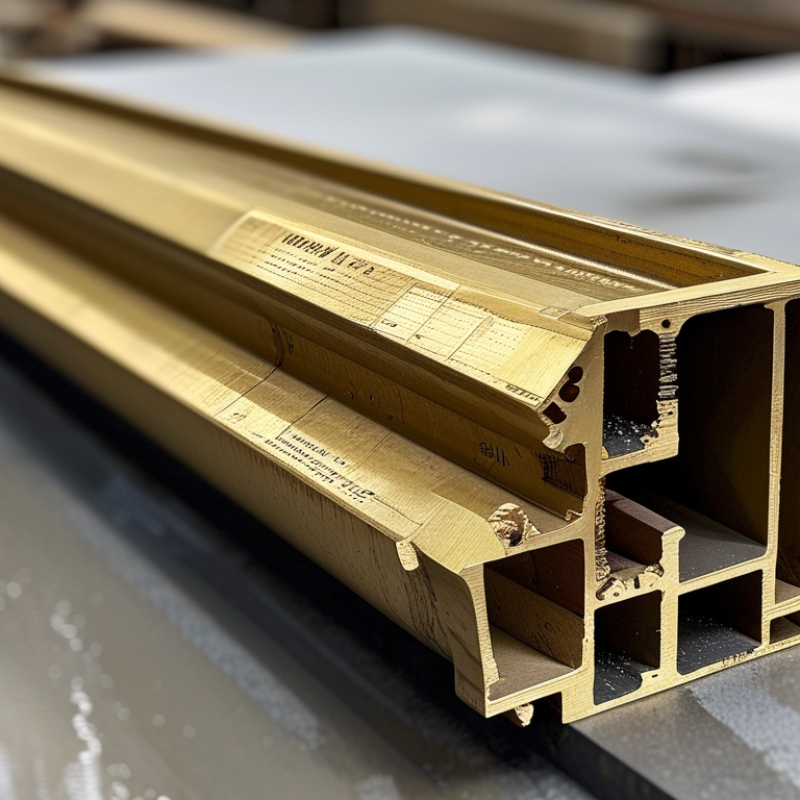
How to Choose the Right Brass Angle for Your Project?

Define the Role and Requirements of a Brass Angle

How to Choose the Right Brass Angle for Your Project?

Define the role before selecting the section. Is the brass angle supporting a light frame, protecting an exposed edge, covering a joint, or improving appearance? Each role changes the requirements. A decorative trim may need a bright finish and clean corners. A load-bearing angle needs verified strength, wall thickness, and secure fastening. Do not treat them as interchangeable.

Check the environment carefully. Brass resists corrosion in many indoor applications, but moisture, salt, and chemical exposure can alter its surface. The USGS Mineral Commodity Summaries 2024 reported global copper mine production at approximately 22 million metric tons in 2023. This reflects a major industrial supply chain, but it does not guarantee consistent angle quality. Alloy, temper, and manufacturing route still matter. Confirm the material certificate and applicable standard, such as ASTM B16 for certain brass rod, bar, and shape products.

Measure the real forces. Include span length, fastener spacing, vibration, temperature, and expected impact. A thin angle may look adequate on a drawing yet twist during installation. Keep it practical. For visible work, inspect corner squareness, cut edges, and surface marks before delivery. For machining, choose an alloy suited to drilling and cutting. One common mistake is choosing by color alone. I would also review the design after installation, because actual movement often exposes assumptions made in the workshop.

How to Choose the Right Brass Angle for Your Project?

Define the role and requirements of the brass angle by comparing standard equal-leg sizes and their estimated mass per metre. Larger legs and thicker walls generally provide greater stiffness and support, while smaller sections reduce weight and material usage.

Estimated mass is calculated from equal-leg angle geometry using cross-sectional area = 2 × leg width × thickness − thickness² and a typical brass density of 8.5 g/cm³. Actual values may vary by alloy and manufacturing tolerance.

Compare Brass Grades, Strength, and Corrosion Resistance

How to Choose the Right Brass Angle for Your Project?

Compare Brass Grades, Strength, and Corrosion Resistance

Choosing a brass angle starts with its working environment. Brass is not one uniform material. Its grade, temper, and manufacturing method affect performance. C260 brass offers good formability and moderate strength. It suits decorative frames, light brackets, and components needing clean bends. C360 brass machines easily, but it may be less suitable for severe forming. C464 brass provides better resistance in marine conditions. Check the actual material certificate, not only the sales description.

Strength depends on thickness, shape, and load direction. A thin angle can twist under a modest side load. A thicker section may resist bending but add unnecessary weight. In practical fabrication, sharp inside corners can create stress concentration. A small radius often improves durability. Do not judge strength by appearance alone. Static loads also differ from vibration or repeated impact. This is where a basic calculation matters.

Corrosion resistance requires careful material matching. Standard brass performs well indoors and in ordinary dry conditions. In hot water containing chlorides, dezincification can weaken some grades. Dezincification-resistant brass is safer for plumbing and damp service. Near the coast, salt exposure needs extra attention. Avoid direct contact with incompatible metals when moisture is present. Galvanic corrosion can begin at a small joint and spread unnoticed. Surface coating may help, but it cannot correct a poor grade choice. The perfect option rarely exists. Recheck the environment, load, and maintenance plan before ordering.

Select the Right Angle Size, Thickness, and Profile

Choosing the right brass angle starts with understanding how it will perform in your project. A decorative cabinet corner needs different specifications than a structural frame. Measure the joint carefully, then check the available space around it. A small error can create an uneven edge.

Angle size controls coverage and visual balance. For example, a 25 mm angle may suit a narrow shelf edge, while a 40 mm angle can protect a wider corner. Thickness affects stiffness, weight, and installation difficulty. Thin brass bends more easily during cutting, but it may dent under pressure. For furniture edges, 1.5 to 2 mm often provides a practical balance. Heavier applications may require a thicker section, supported by proper fasteners.

Profile shape also matters. Equal-leg angles offer balanced coverage on both surfaces. Unequal-leg profiles can protect one side while keeping the other nearly hidden. Rounded edges feel safer in frequently touched areas. Sharp profiles create cleaner lines, but they demand more careful handling. I once selected a profile by appearance alone, and the finished joint looked cramped. That mistake changed my process.

Before ordering, test a short sample on the actual material. Check the corner radius, screw clearance, and final surface alignment. Brass can show scratches quickly, especially after repeated fitting. Allow a small tolerance for cutting and expansion. A beautiful angle is still unsuitable if installation forces it out of shape.

Match the Finish and Appearance to Your Project

Choosing the right brass angle involves more than measuring the corner. Its finish can change how the entire project feels. Polished brass reflects light and creates a bright, formal appearance. Brushed brass looks softer, with fine lines that hide small marks. An antique finish adds visual depth and suits traditional interiors.

Match the angle with nearby surfaces, not just the main color. Warm brass works well beside walnut, cream tile, stone, and muted green paint. In a modern space, a satin finish may feel cleaner than a heavily aged surface. Check the lighting, too. Cool white lamps can make brass appear duller, while warm lighting can intensify golden tones. Always inspect a physical sample near the installation area.

I once selected a finish from a small online image and underestimated its texture. The delivered angle looked darker beside pale marble. That mistake taught me to compare samples at different times of day. It also showed that “matching brass” is not always exact. Different batches and surface treatments may vary slightly. For high-touch areas, choose a durable coating and ask how it handles cleaning. Avoid harsh abrasives, which can damage the surface and create uneven patches. A beautiful finish still needs practical care. A small sample prevents expensive regret.

Verify Installation Methods, Compatibility, and Fit

Choosing a brass angle begins with the installation method, not the finish. Measure both legs, thickness, joint depth, and the substrate’s condition. A 25 mm angle may look suitable, yet leave insufficient bearing for screws or adhesive. I have seen polished trim fail because installers trusted visual fit alone.

For masonry, use corrosion-resistant mechanical fixings and suitable plugs. For timber, pre-drill to prevent splitting. Adhesive works on clean, stable surfaces, but dust, oil, and movement can defeat it. Check compatibility with aluminum, galvanized steel, cement, and treated wood. Moisture can accelerate galvanic corrosion, so isolation tape or a neutral barrier may be necessary. Do not assume brass is universally compatible.

The Copper Development Association lists brass thermal expansion near 19 × 10⁻⁶ per °C. A 2-metre angle can therefore move about 0.8 millimetres through a 20°C temperature change. That small movement matters on long, exposed runs. Allow controlled joints rather than forcing tight corners.

Verify the alloy and dimensions against ASTM B16/B16M or the relevant regional standard. The 2024 USGS Mineral Commodity Summaries reported approximately 820,000 metric tons of copper recovered from U.S. scrap in 2023. Recycled content can support responsible sourcing, but it does not prove installation performance. Request composition, thickness, and surface-treatment records. A missed detail here is easy to regret later.

FAQS

: How do I choose a brass angle grade?

: Match the grade to the environment and forming needs. A highly formable grade suits clean bends and decorative frames. A machinable grade works well for drilled parts. Marine areas need stronger corrosion resistance. Check the material certificate, not just the product description.

How does thickness affect brass angle strength?

Thickness affects stiffness, weight, cutting, and installation effort. A thin angle may twist under side pressure. A thicker section resists bending but adds weight. Do not judge strength by appearance alone. A simple load calculation is safer.

What angle size suits furniture or cabinet edges?

A 25 mm angle may suit a narrow shelf edge. A 40 mm angle can cover a wider corner. Furniture applications often use 1.5 to 2 mm thickness. Check the actual joint before ordering. Small errors show quickly.

Should I choose equal-leg or unequal-leg profiles?

Equal-leg profiles cover both surfaces evenly. Unequal-leg profiles protect one side while staying less visible. Rounded edges feel safer on frequently touched furniture. Sharp edges create cleaner lines but need careful handling. Appearance can mislead.

How can I prevent brass angles from bending during installation?

Test a short sample on the real material. Check the corner radius, screw clearance, and surface alignment. Use suitable support and avoid forcing a poor fit. Leave a small cutting tolerance. I once chose a profile by appearance alone. The joint looked cramped.

Which installation method works for timber, masonry, or smooth surfaces?

Pre-drill timber to reduce splitting. Use suitable plugs and corrosion-resistant fixings for masonry. Adhesive needs a clean, stable, dry surface. Dust, oil, and movement can cause failure. Do not rely on adhesive blindly.

Can brass contact other metals safely?

Moisture can create galvanic corrosion between incompatible metals. This risk increases near joints and coastal areas. Use isolation tape or a neutral barrier when needed. Pay attention to aluminum, galvanized steel, cement, and treated wood. Small joints can hide serious damage.

Does temperature movement matter on long brass angles?

Yes. Brass expands and contracts with temperature changes. A two-metre angle may move about 0.8 millimetres through a 20°C change. Allow controlled joints on long exposed runs. Do not force tight corners. Small movement matters.

How should I check a brass angle before ordering?

Confirm the alloy, dimensions, thickness, and surface treatment. Request composition and manufacturing records. Check screw clearance and installation depth. Inspect a sample for scratches and alignment. Recheck the environment, load, and maintenance plan. I still miss details sometimes.

Conclusion

Choosing the right Brass Angle begins with understanding its purpose in your project, whether it is intended for structural support, edge protection, framing, decoration, or general fabrication. Consider the expected load, environment, exposure to moisture, and required service life before selecting a material grade. Different brass grades offer varying levels of strength, machinability, and corrosion resistance, so the choice should match both performance needs and working conditions.

You should also measure the required angle size, thickness, and profile carefully to ensure a proper fit without unnecessary weight or material waste. The surface finish should complement the project’s appearance while providing suitable durability. Finally, verify how the Brass Angle will be installed, including fastening, soldering, welding, or adhesive methods, and confirm compatibility with nearby materials to reduce the risk of movement, staining, or corrosion. Careful planning helps achieve a secure, attractive, and long-lasting result.

Ethan

Ethan

Ethan is a seasoned marketing professional with a deep expertise in our company's innovative product line. With a passion for sharing knowledge and insights, he takes the lead in regularly updating our corporate blog, where he explores industry trends, product features, and effective marketing......