
Explore our premium product portfolio featuring high-reliability industrial sealant accessories and advanced hardware designed to pass rigorous global standards.
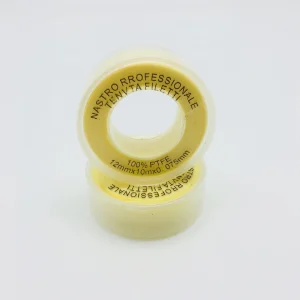




In modern industrial and commercial infrastructural ecosystems, volatile gas transport systems, pressurized natural gas lines, and chemical feedstocks demand highly resilient and leakage-free connections. Under the strict guidelines of global environmental mandates and health safety objectives, minimizing fugitive gas emissions has transitioned from a best practice to a statutory obligation. High-density, professional-grade CE Certification Gas Sealing Tape White represents a pivotal engineering safeguard, ensuring structural integrity at threaded joint interfaces.
Uncontrolled leakage in industrial environments not only threatens worker safety through hazardous exposures or combustion risks but also incurs enormous economic waste and increases greenhouse gas footprints. Incorporating certified polytetrafluoroethylene (PTFE) thread sealants minimizes joint failures under fluctuating thermomechanical stresses. By maintaining molecular flexibility across ultra-low to extreme high-temperature ranges, white PTFE gas tapes adapt to the expansion and contraction cycles of mixed metals, ensuring enduring safety in complex industrial matrices.
The global demand for high-integrity sealants is experiencing exponential growth, driven by rigorous municipal regulations and strict compliance matrices across Europe, North America, and the Asia-Pacific region. As gas pipe infrastructures expand to accommodate liquefied natural gas (LNG), biogas, and hydrogen-enriched natural gas (HENG) blends, the specifications for sealing materials have become highly demanding. In this landscape, generic, low-density plumbing tapes no longer suffice.
For operations in the European Economic Area, the presence of the CE Marking alongside compliance with standard EN 751-3 (specifying requirements for unsintered PTFE tapes for gas and hot water applications) serves as a prerequisite for commercial access. The international market is segmenting into premium, high-density categories where manufacturers must demonstrate not only material purity but also consistent density metrics (specifically exceeding 1.2 g/cm³ for critical gas operations). This ensures the material resists extrusion under high pressures and remains impermeable to low-molecular-weight gaseous elements.
| Performance Parameters | High-Density CE Certified Gas Tape (White) | Standard Low-Density Utility Tape | Industrial Impact & Efficacy |
|---|---|---|---|
| Target Density Range | ≥ 1.2 g/cm³ to 1.5 g/cm³ | 0.2 g/cm³ to 0.45 g/cm³ | Thicker barrier prevents high-pressure micro-fissure leakage |
| Certifications | CE, EN 751-3, WRAS, DIN-DVGW | None or Basic Plumbing Grade | Mandatory for legal compliance and insurance coverage in commercial gas lines |
| Chemical Tolerance | Chemically inert to natural gas, butane, propane, oxygen, ammonia | Limited chemical stability, easily degrades with aggressive fuels | Prevents polymer degradation and subsequent explosive risks |
| Pressure Rating | Up to 20 Bar (Gas applications) | < 5 Bar (Mainly gravity fed or low pressure) | Maintains joint integrity during gas system pressure surges |
How global industrial sectors utilize white gas sealing tapes to maintain regulatory compliance and optimize operational lifecycles.
Installing natural gas service meters, domestic heaters, and LPG cylinders requires absolute seal integrity. CE Certified PTFE white tape prevents trace hydrocarbons from escaping at copper-to-brass fittings and steel connections, protecting residential properties from gas accumulation and carbon monoxide bypass dangers.
Processing plants handling corrosive media or specialized gases utilize PTFE for its inert profile. Unlike paste sealants, which can dry out, shrink, or wash away under chemical exposure, premium virgin PTFE tape forms a cohesive mechanical barrier that remains stable against acids, alkalis, and solvents.
With the rise of hydrogen technology, sealing demands are tighter because hydrogen molecules easily permeate small gaps. High-density, multi-wrapped PTFE tapes provide the molecular density required to control hydrogen micro-leaks in testing stations and blending systems.
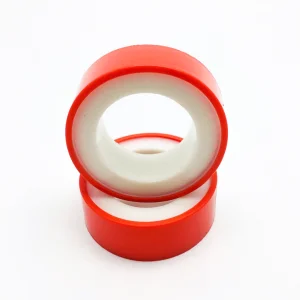
The manufacturing process of high-density PTFE thread seal tape is highly technical. By utilizing unsintered polytetrafluoroethylene paste extrusion, manufacturers carefully control orientation, elongation, and thickness profiles. The "White" designation indicates a formulation free of pigment fillers, ensuring maximum purity and avoiding chemical reactions between dye additives and transported gases.
Looking forward, the sealing industry is moving toward PFOA-free production methods, ensuring the manufacturing cycle complies with European REACH regulations and US EPA directives. Future technical routes also involve smart diagnostic tapes. These smart materials change color in the presence of acidic gases or volatile organic compounds (VOCs), enabling visual inspection of joints in complex industrial facilities without requiring expensive sniffing sensors.
To acquire valid CE Certification for Gas Sealing Tapes, products undergo comprehensive laboratory validations based on standard EN 751-3, which categorizes sealing tapes into Class A, B, and C based on density and thickness. The qualification process checks tape homogeneity, tensile strength, and performance under extreme thermal cycling (-20°C to +125°C for typical gas lines). This certification gives procurement managers the assurance that the sealant will not shred, degrade, or contaminate critical downstream instruments.
Take quality as life, time as reputation, and price as competitiveness, seek development in competition and seek opportunities in challenges.
Located in Nan'an city, the renowned water heating industrial cluster of China, FUJIAN UNIK INDUSTRIAL CO., LTD operates state-of-the-art facilities specializing in advanced faucet engineering and professional-grade PTFE thread seal tape production. We provide end-to-end services from raw material sourcing, extrusion, density testing, to custom OEM packaging, ensuring all products meet the highest standard of international safety and environmental directives.
Our continuous investments in high-speed extrusion machinery, precision splitting equipment, and online quality inspection systems enable us to export premium sealing tapes globally, meeting compliance requirements like CE and EN 751-3 for gas distribution operations.
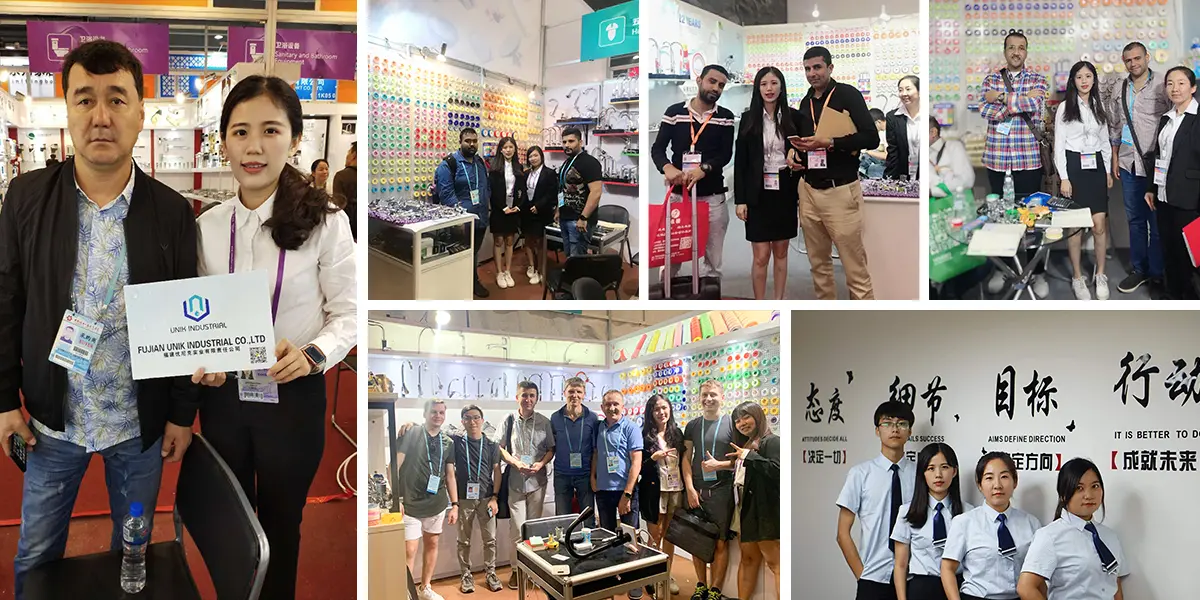
Our infrastructure and manufacturing processes comply with rigorous quality benchmarks, showcased at leading global hardware exhibitions.
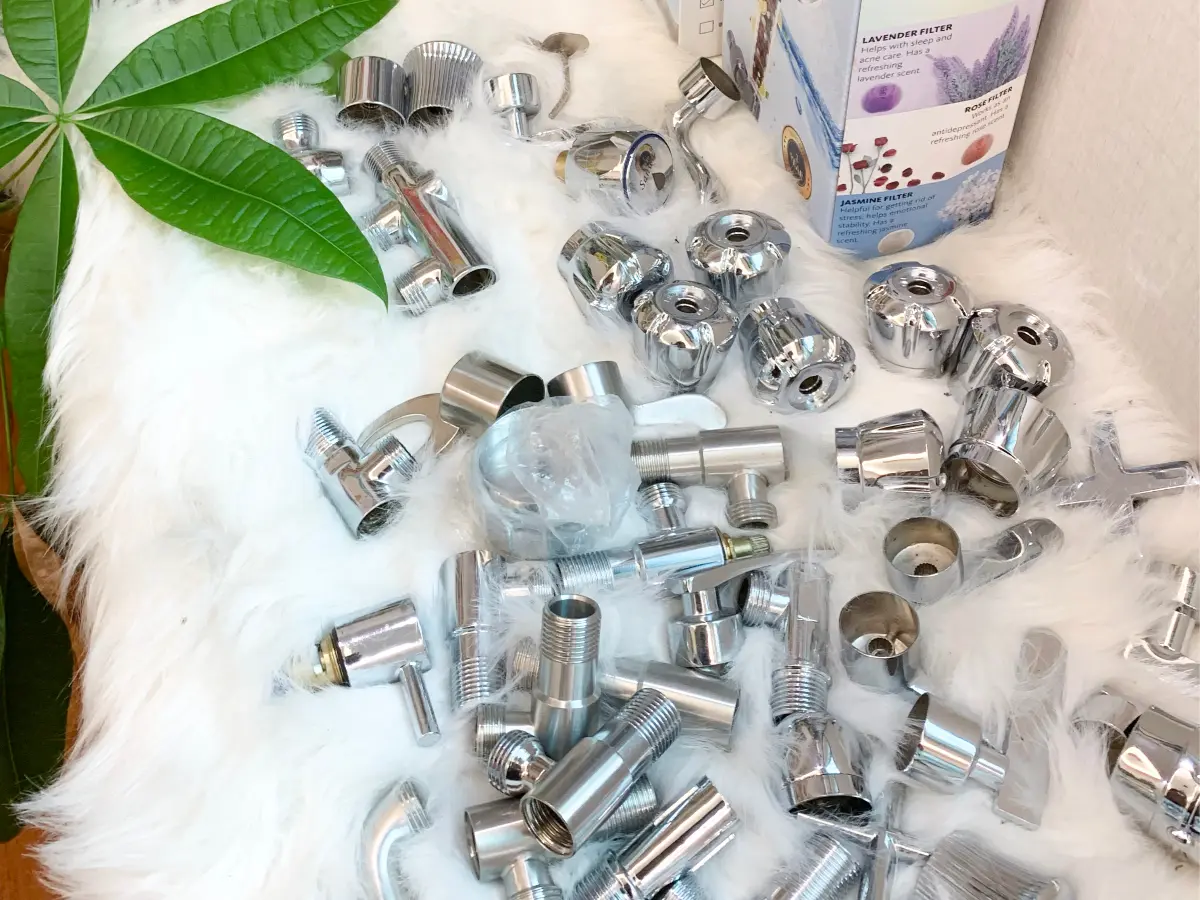
We maintain an extensive, highly organized product demonstration showroom. This space houses our full range of kitchen, bathroom, and gas sealing components, providing visiting quality assurance teams with physical samples to verify design tolerances, thread configurations, and material compositions.

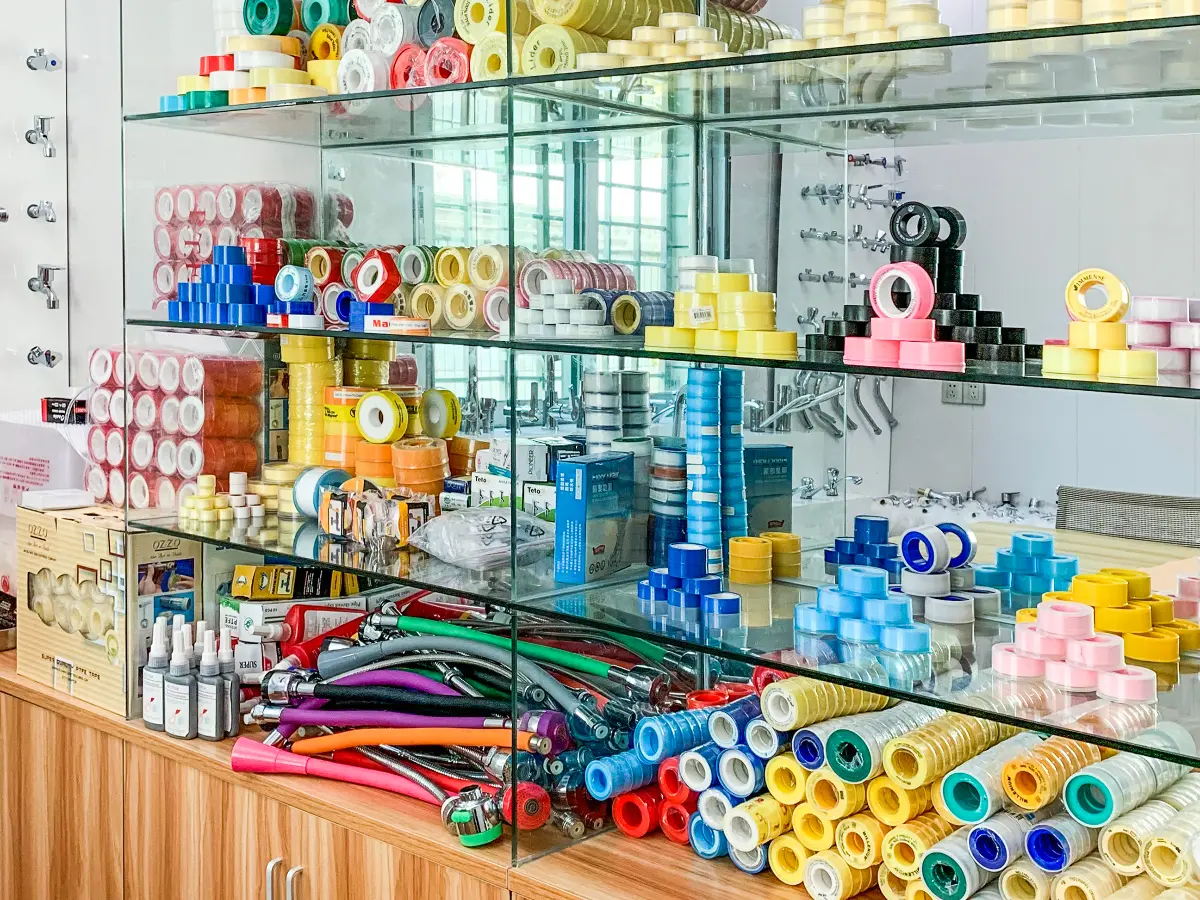
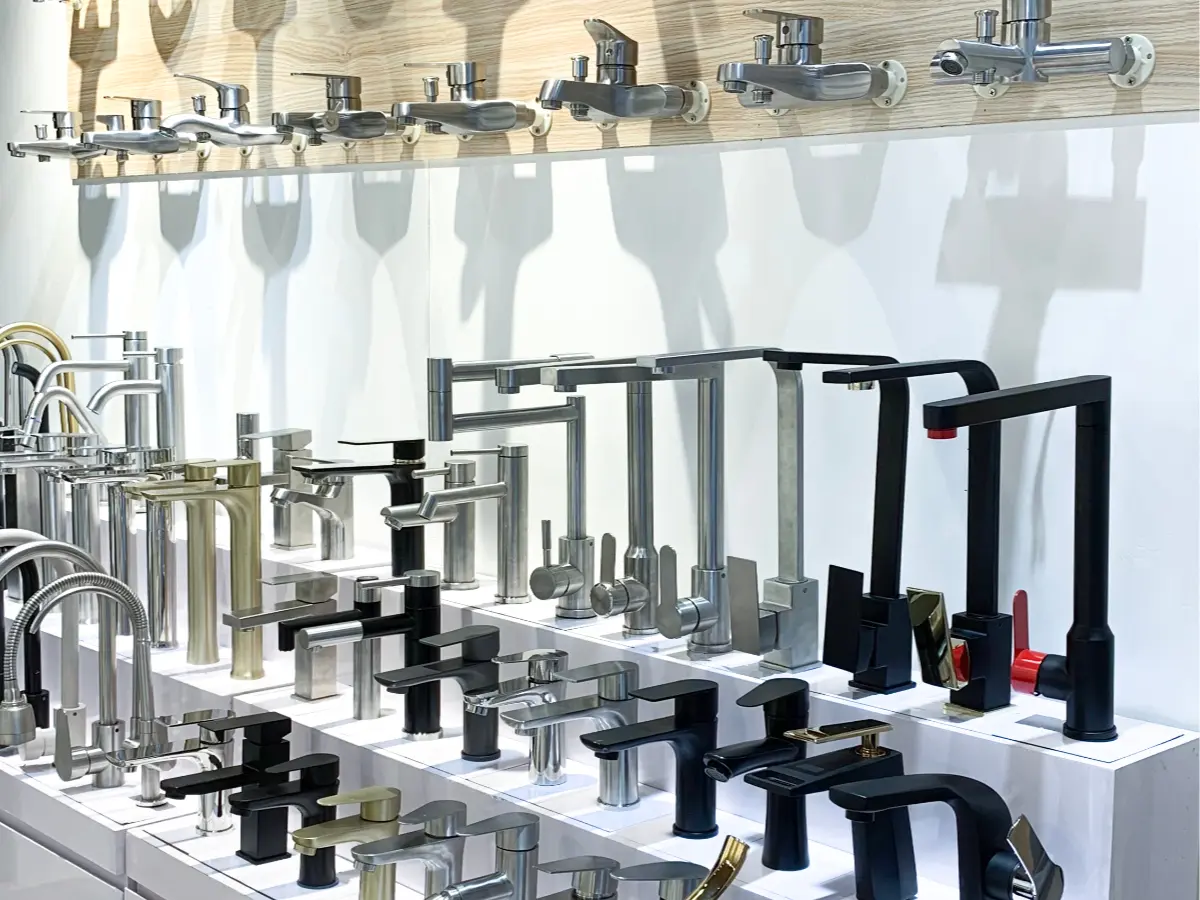
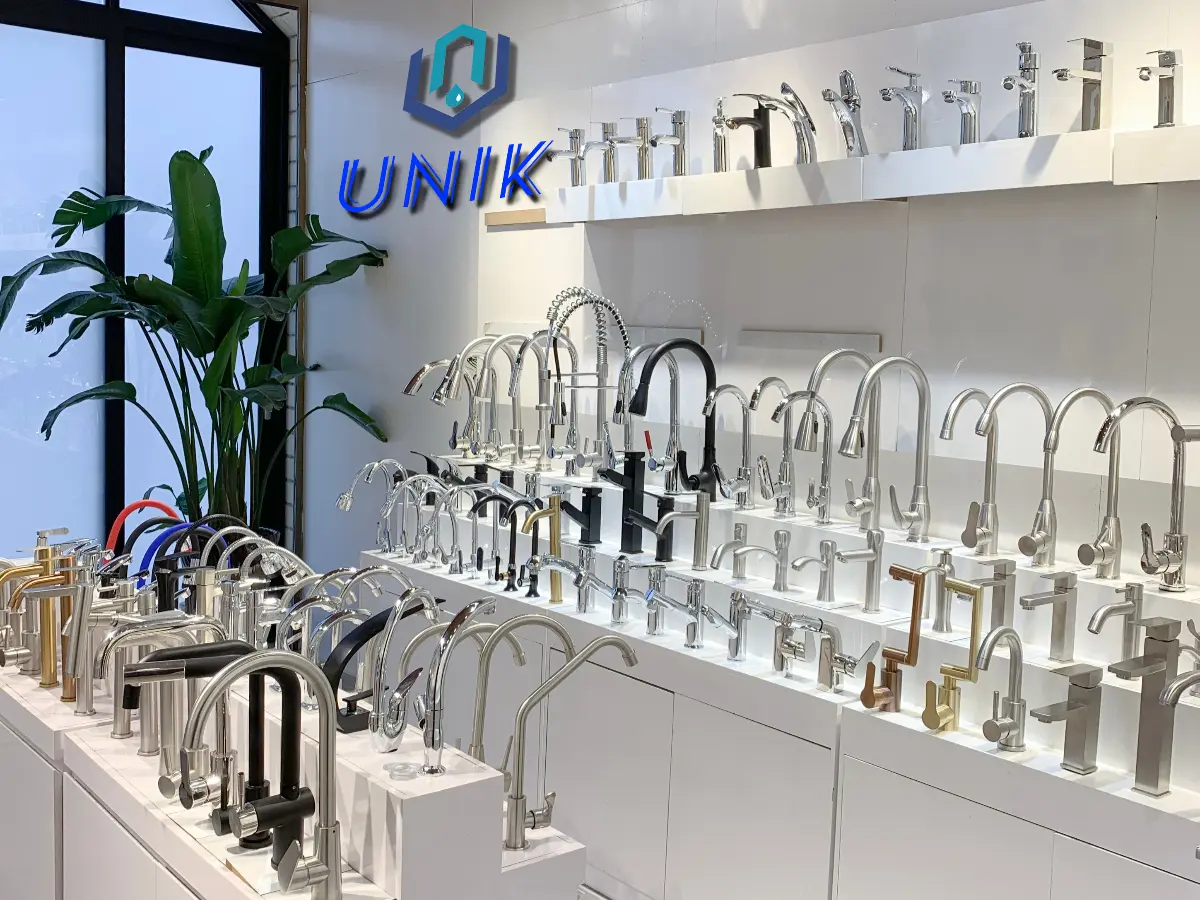
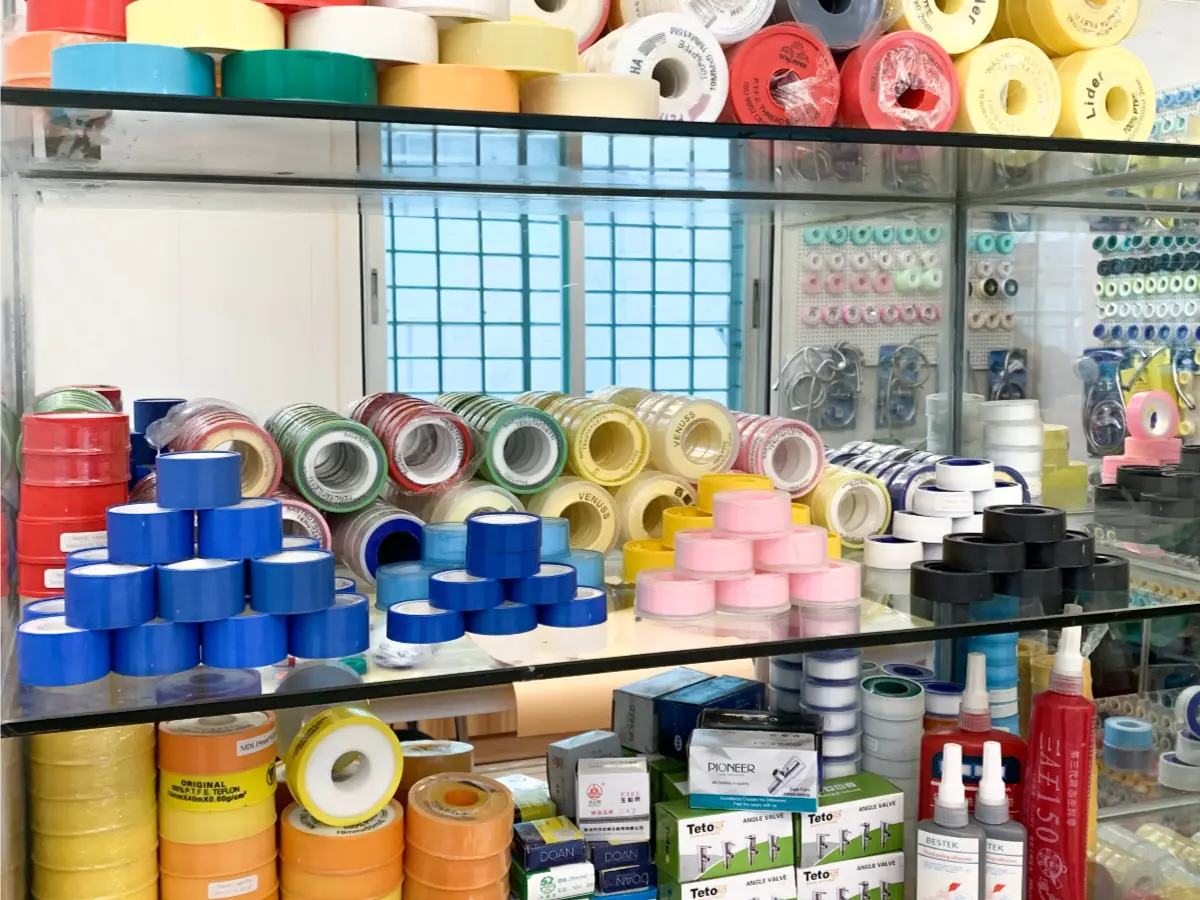
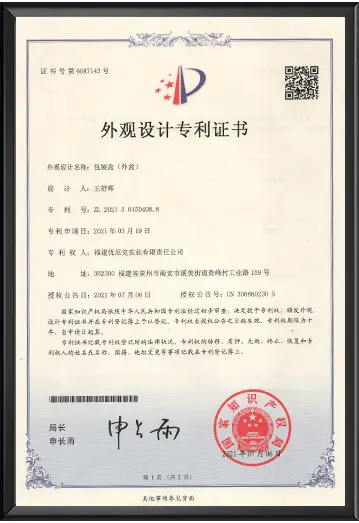
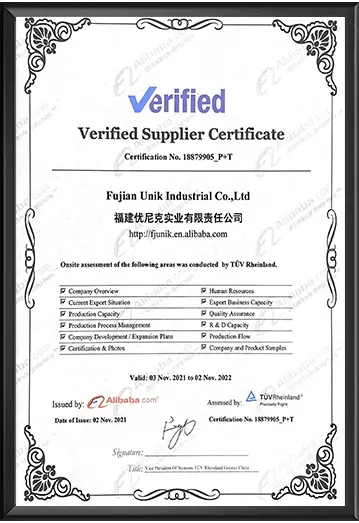
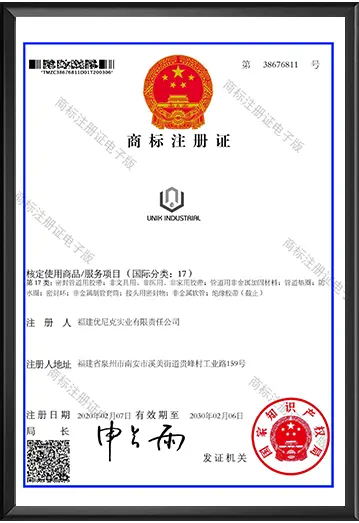
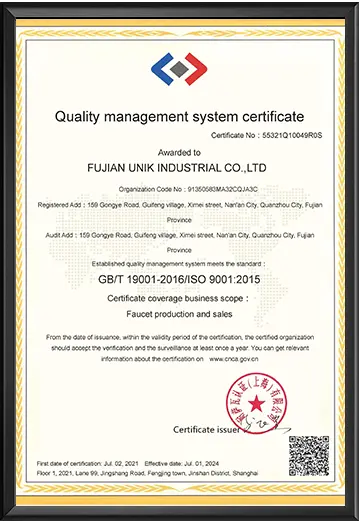
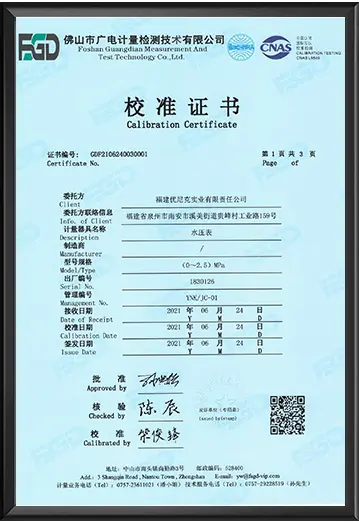
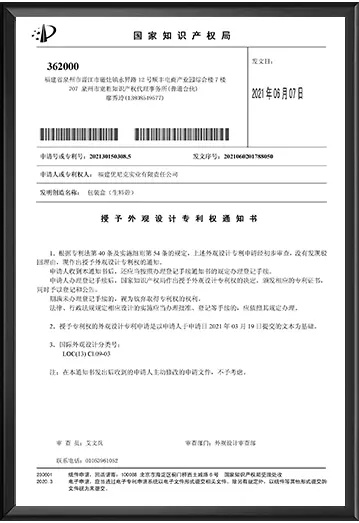
Our dedication to quality is supported by third-party testing reports, ISO certifications, and active participation in international trade shows. We routinely display our products, demonstrating their compliance to buyers from Europe, South America, and Southeast Asia.
Detailed technical answers addressing common inquiries from engineering teams, safety inspectors, and procurement managers.
The main difference is the material density. Standard plumbing tape, used for water lines, has a density between 0.2 g/cm³ and 0.45 g/cm³. CE certified gas tape (such as those meeting EN 751-3) has a density higher than 1.2 g/cm³. This high density makes the tape impermeable to gas molecules, preventing leaks under pressurized conditions, and prevents the tape from tearing on coarse metal gas pipe threads.
While colors like yellow are often used in retail settings to identify gas tape, white remains a standard for heavy industrial installations. Pure white tape is made from 100% virgin PTFE without color pigments. In chemical and high-temperature environments, these pigments can break down, potentially contaminating the line or compromising the seal's structural integrity.
PTFE tapes certified under EN 751-3 are tested to operate safely in temperature ranges from -20°C to +125°C for gas distribution, and can withstand up to 20 bar of pressure. In non-gas applications, the PTFE material itself can withstand temperatures from -200°C up to +260°C before thermal decomposition begins.
FUJIAN UNIK INDUSTRIAL CO., LTD runs regular quality checks on tape density, thickness, and tensile strength during manufacturing. Our internal lab verifies that each batch maintains the required density profile before packaging, helping prevent joint failure during field installations.
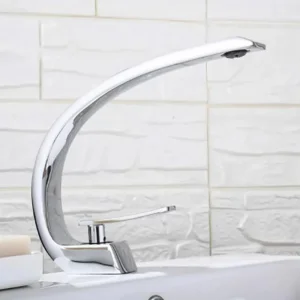
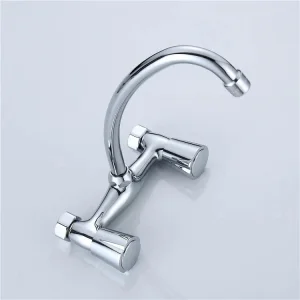
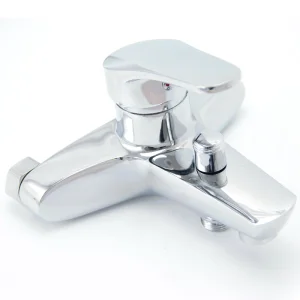
Complement your piping projects with our selection of industrial and residential fixtures, built to the same strict standards as our sealing products.
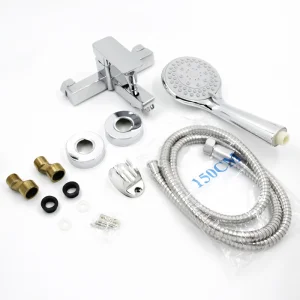
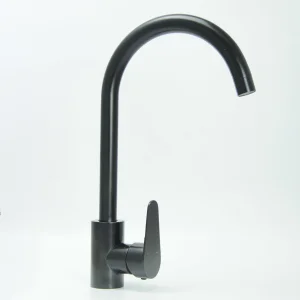

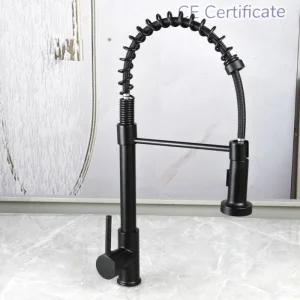
We provide innovative, certified sealing and hardware options designed to support sustainable operations. Contact our engineering team to improve system reliability and reduce lifecycle costs.
Contact Our Technical Experts