
China 2 Way Angle Valve Price, Supply Chain Insights & Industrial Purchasing Guide 2025

An authoritative industry whitepaper outlining structural design innovations, manufacturing cost matrices, raw material fluctuations, and compliance criteria for global B2B procurement professionals.

1. Executive Summary & Sourcing Outlook of China 2-Way Angle Valves

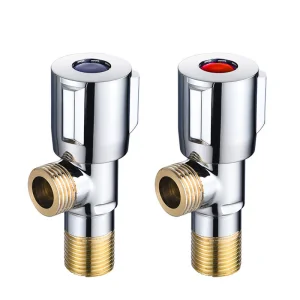
In modern plumbing design and mechanical engineering, the 2-way angle valve functions as an indispensable fluid control point. Controlling local pressure, regulating flow lines, and isolating terminal devices (faucets, toilets, bidets, washing machines) without shutting off the main line, its reliability directly dictates the security of commercial and domestic infrastructures alike. China has long solidified its status as the world’s leading hub for sanitary ware manufacturing, combining raw material vertical integration with advanced automation clusters. However, navigating the procurement matrix of a China 2 Way Angle Valve Price profile requires more than reviewing static price lists. Sourcing agents must analyze raw material composition, weight structures, processing methodologies, and geopolitical certifications to secure sustainable competitive advantages.

This industry whitepaper explores the operational methodologies of 2-way angle valve manufacturing in China. By combining research from industrial clusters with empirical test data, this report serves as a definitive resource for global commercial distributors, developers, and project specification managers aiming to optimize their global supply chains.

Material Resilience
Engineered using premium brass grades and corrosion-resistant SUS304 elements, ensuring prolonged operational lifecycles under volatile water pressures.
Precision Machining
Strict adherence to thread specifications including G (BSPP), R (BSPT), and NPT configurations to achieve leak-free compliance globally.
🛡
Certified Standards
Tested to exceed ISO 9001, WRAS, CE, and ACS specifications, confirming safe lead-free drinking water applications.

2. Global Sourcing Trends & Procurement Demand Shifts

The sanitary supply chain has experienced substantial structural adjustments due to fluctuating energy costs, strict carbon emissions mandates, and a general transition toward green building initiatives. The global procurement landscape highlights several key shifts:

  • Lead-Free and Eco-Friendly Alloys: Prompted by stringent standards like the US NSF/ANSI 61 and Europe’s RoHS directives, manufacturers in major sanitary production centers have adopted bismuth-brass, low-lead brass (HPb59-1), or high-purity stainless steel to avoid lead leaching.
  • Integration of Ceramic Cartridge Technology: Traditional rubber washer designs have been replaced by ceramic disc valves. Using specialized sintered alumina, these cartridges withstand over 500,000 dry cycles without compromise.
  • Aesthetic Diversification (PVD Coatings): The market demands finishes that go beyond simple chrome plating. Matte black electrophoretic coatings, Physical Vapor Deposition (PVD) gold, and brushed nickel are growing in demand, particularly for luxury hospitality developments.
>500K
Life Cycle Operations
16 Bar
Max Hydrostatic Test
<0.25%
Low-Lead Compliance
NSS 48H
Salt Spray Resistance

3. Price Analysis: Demystifying Sourcing Cost Variables

Purchasing agents often receive price quotes from Chinese companies that vary by up to 100%. To understand this price gap, procurement leaders must look at the key cost drivers of manufacturing:

A. Material Composition & Heavy Metal Regulations

The price of raw materials accounts for 60% to 70% of a valve's final factory gate price. Standard brass alloys (like HPb57-3 or HPb59-1) contain 57-59% copper, with the remainder being zinc and lead. In comparison, lead-free brass options (such as CW617N or DZR brass) are more expensive. Conversely, low-end manufacturers may reduce their material costs by using zinc alloy (Zamak 3) for the valve body, which is prone to zinc loss and cracking over time. Stainless steel (SUS304) serves as a durable middle-ground option, balancing cost and corrosion resistance.

B. Manufacturing Methodologies: Forging vs. Gravity Die Casting

Forged brass valves, shaped under high-pressure machinery, eliminate internal air pocket defects, creating a dense structure capable of withstanding high pressures. Gravity die casting is less expensive but has a higher risk of microscopic pinhole leaks. The choice of manufacturing method determines both the performance and the price point.

Valve Body Material Standard Price Range (FOB China) Optimal Application Area Corrosion Resistance Rating
Low-Lead Brass (CW617N/DZR) $2.50 – $4.80 Premium residential, EU/US drinking water systems Excellent (Dezincification resistant)
Standard Brass (HPb59-1) $1.80 – $2.80 General plumbing, standard B2B wholesale markets Good (Standard environments)
Stainless Steel (SUS304) $1.50 – $2.50 Commercial projects, industrial washroom facilities Very High (Resistant to oxidation)
Zinc Alloy (Body only) $0.70 – $1.20 Budget renovations, dry environments Moderate (Susceptible to corrosion)

C. Plating and Finishing Operations

The durability of a valve's surface finish affects both its aesthetic lifespan and its manufacturing cost. Electroplating quality is assessed using the Nickel-Chrome Salt Spray Test (NSS). High-end manufacturers offer coatings with 8-12 microns of nickel followed by 0.25 microns of chrome, comfortably passing a 24-hour or 48-hour NSS test. This ensures the valve remains spot-free and rust-proof in damp environments.
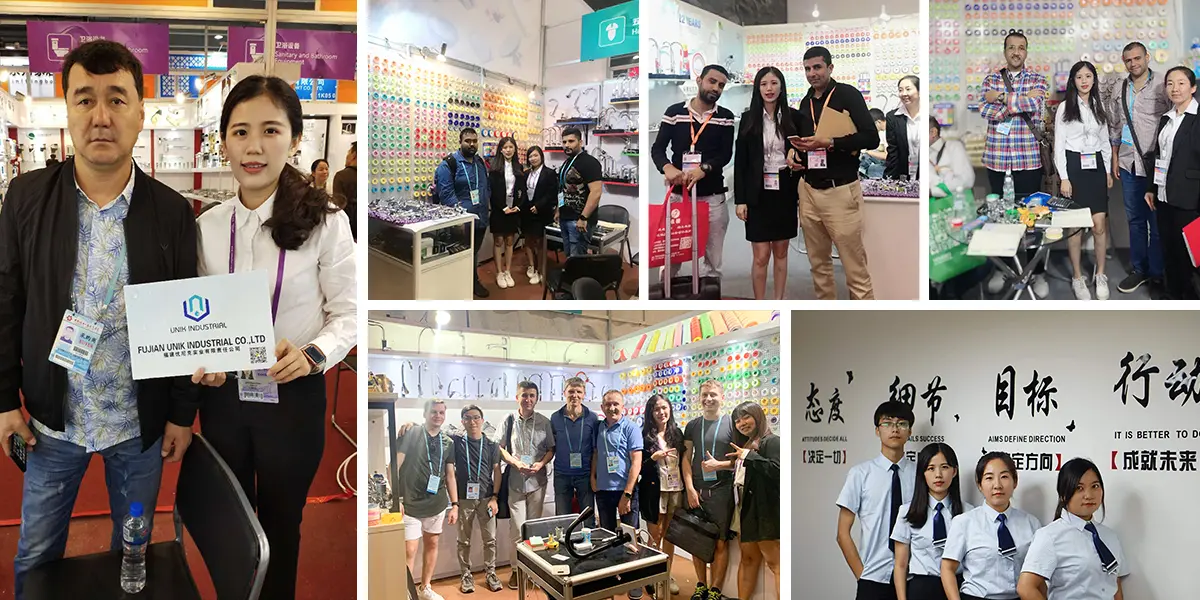
4. Fujian Unik Industrial Co., Ltd.: Manufacturing Excellence & Brand Integrity

To evaluate a manufacturer's credibility under Google's E-E-A-T guidelines, we highlight Fujian Unik Industrial Co., Ltd., located in Nan’an, Fujian, a major center for plumbing products in China. By integrating direct production capability with specialized engineering services, they provide a reliable reference model for B2B buyers.

FUJIAN UNIK INDUSTRIAL CO., LTD.

"Take quality as life, time as reputation, and price as competitiveness, seek development in competition and seek opportunities in challenges."

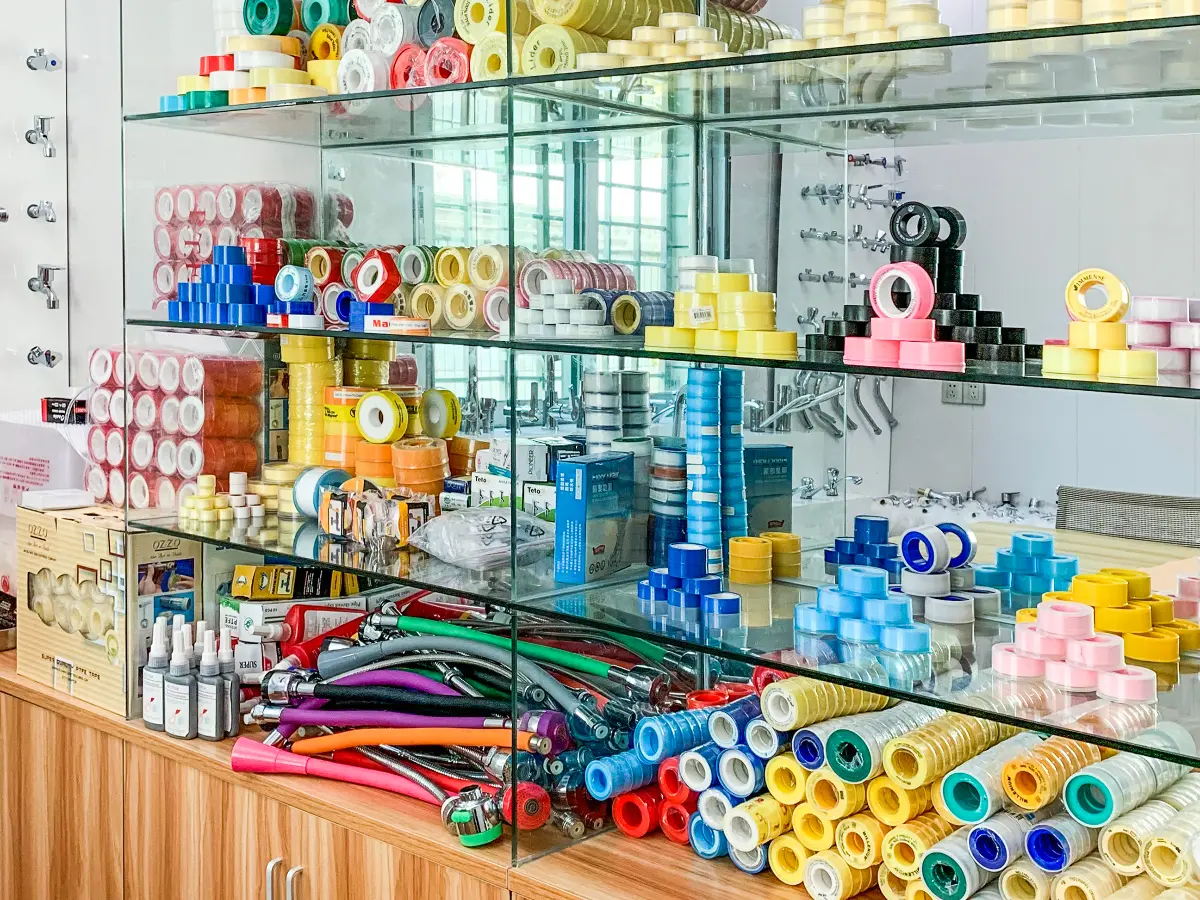
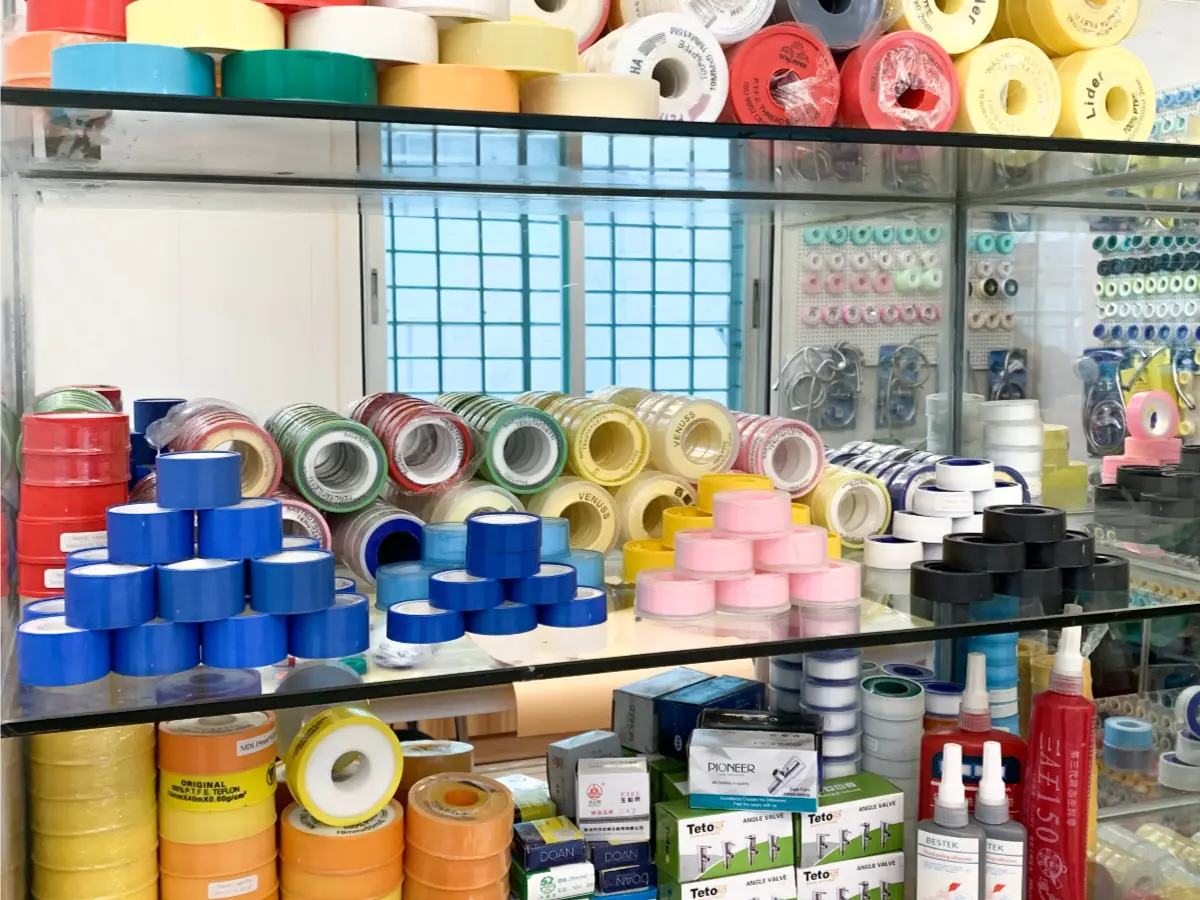
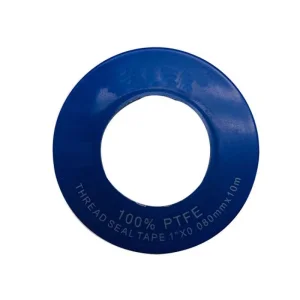
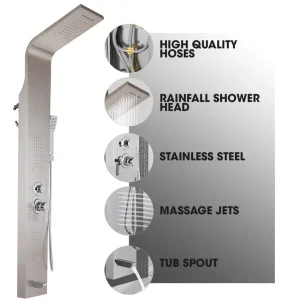
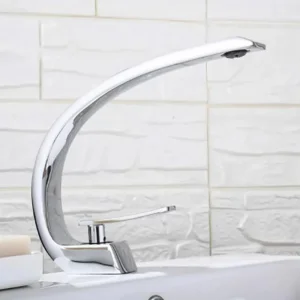
FUJIAN UNIK INDUSTRIAL CO., LTD is located in Nan’an city, the hometown of water heating in China. We have our own faucet factory and PTFE thread seal tape factory. And we have professional processes and services for the innovation, customization and sales of faucet and PTFE thread seal tape. Our company works with advanced technology and processes from domestic and international markets. Our major products include: (1) Faucet (2) PTFE thread seal tape (3) Angle valve (4) Shower head (5) Hose.

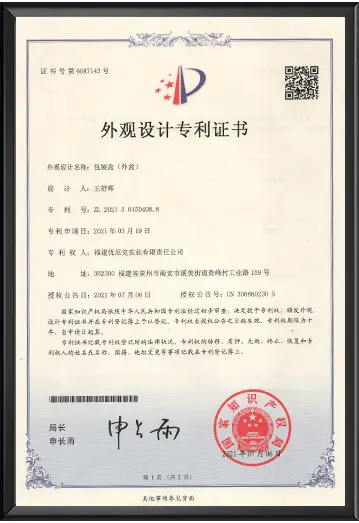
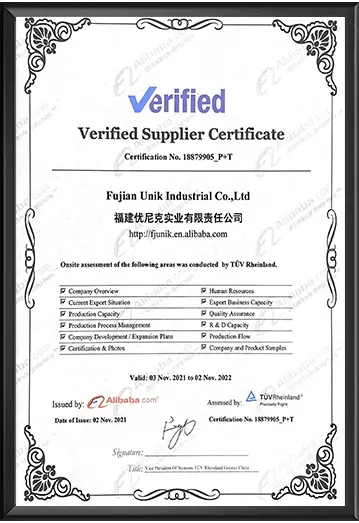
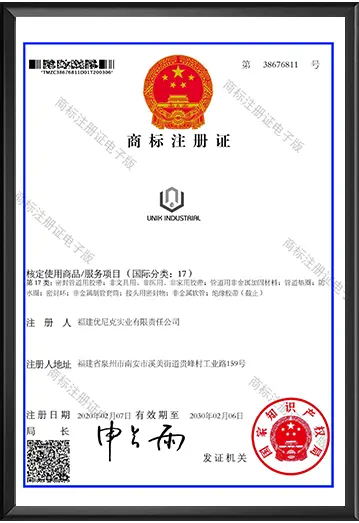
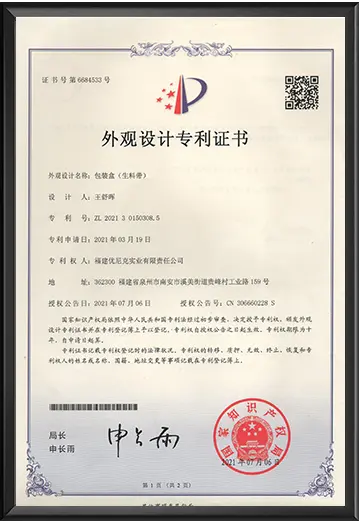
Exhibition and Certificate

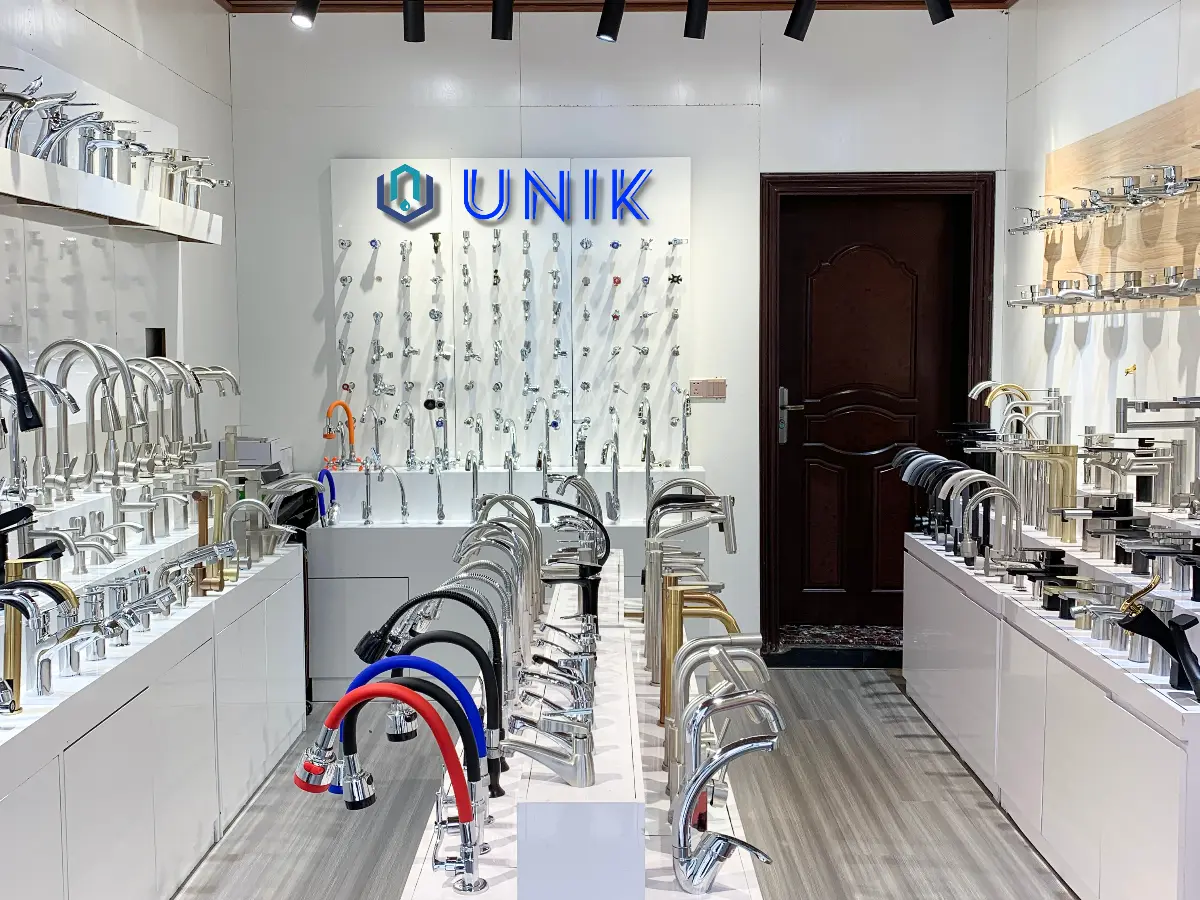
5. Sample Room & Customization Showcase

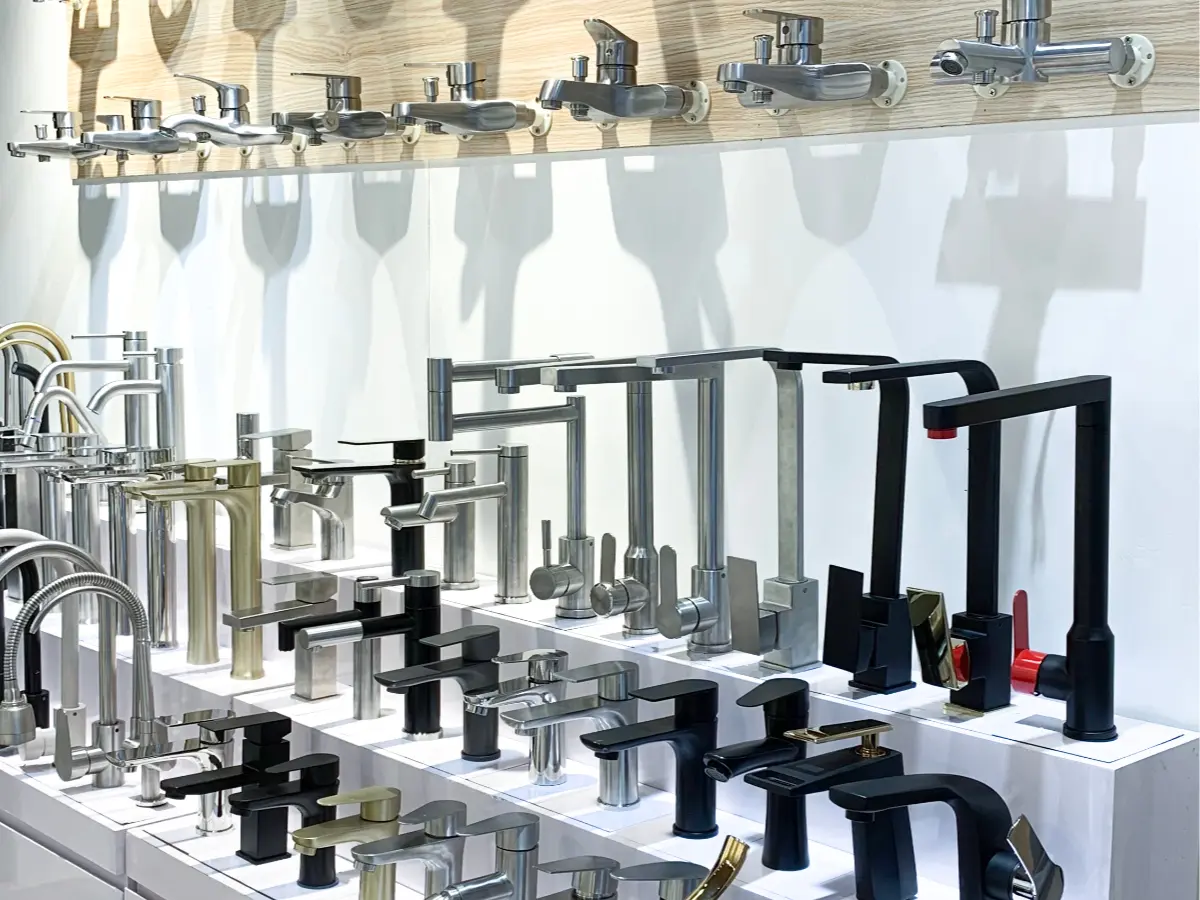
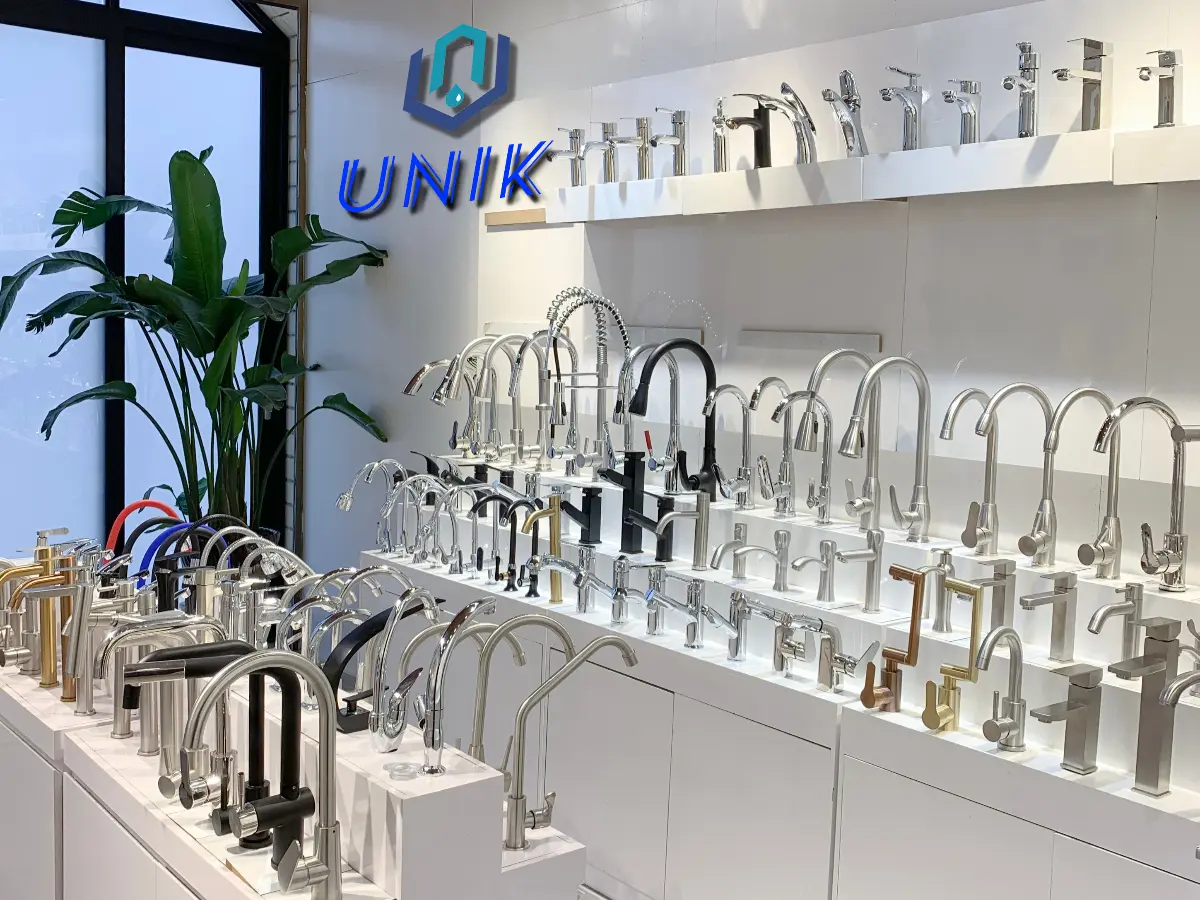
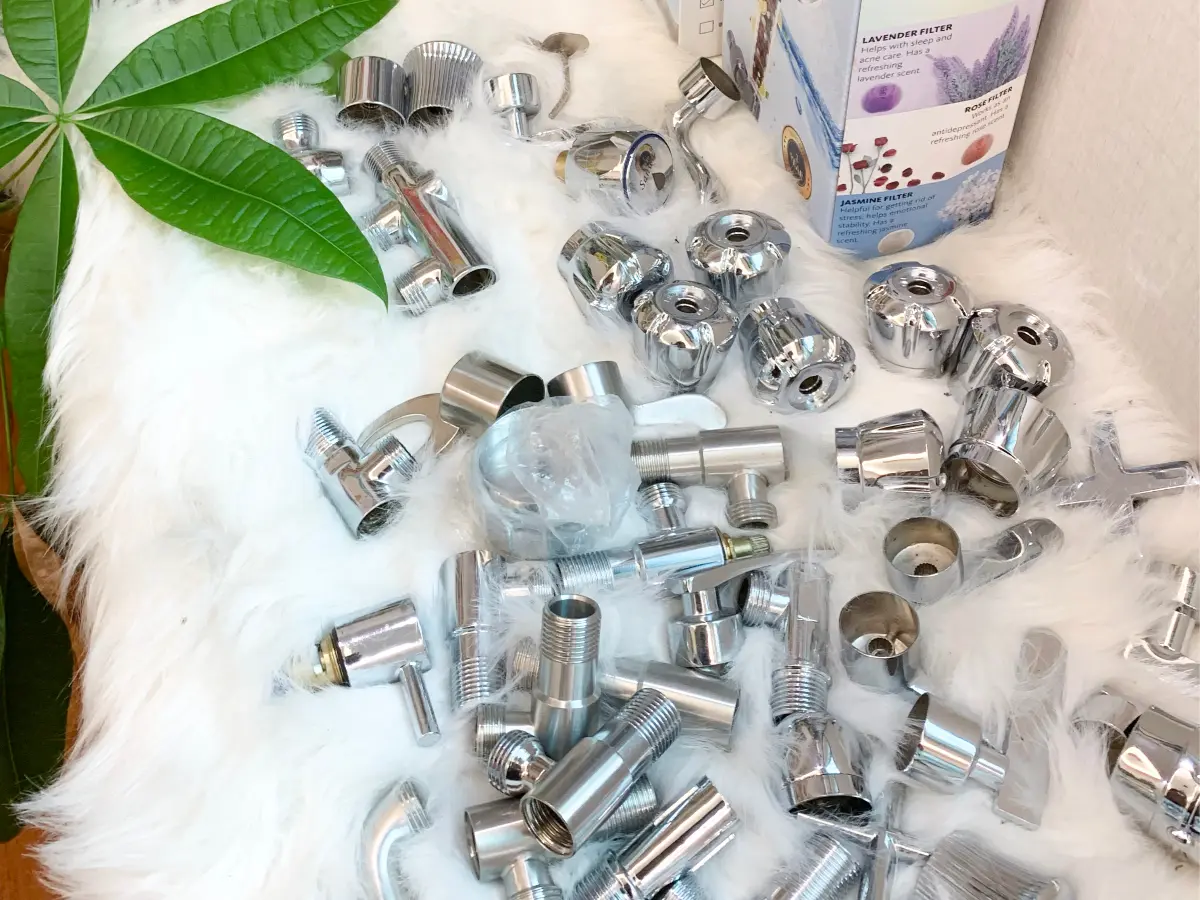
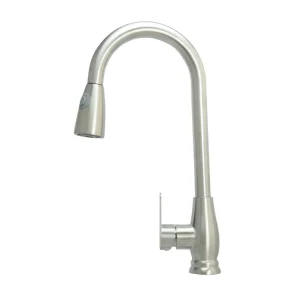
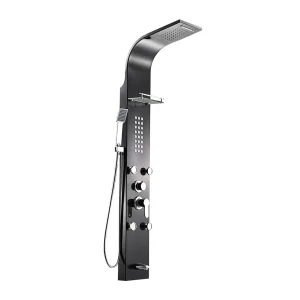
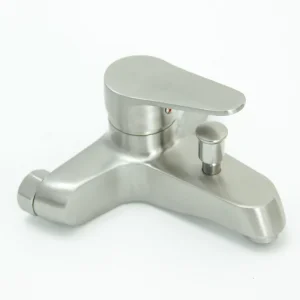
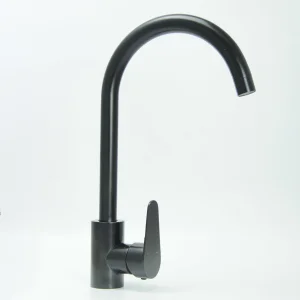
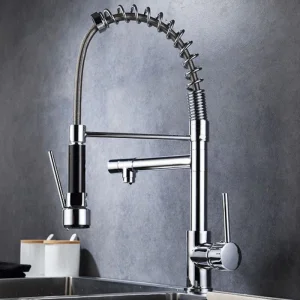
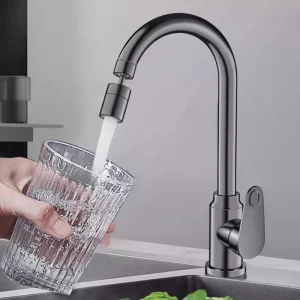
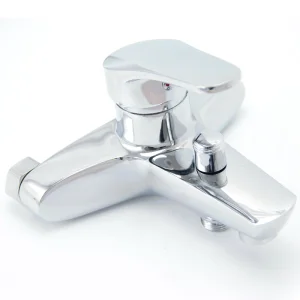
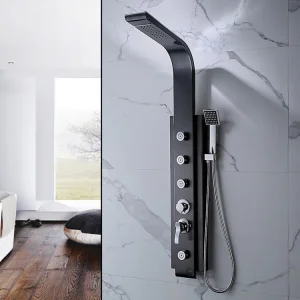
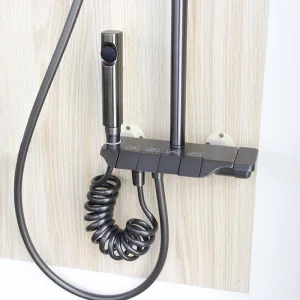
The sample room serves as a functional demonstration of a manufacturer's customization capabilities. Below is a collection of designs featuring modern plating styles, ergonomic handles, and different configurations tailored to international market demands.

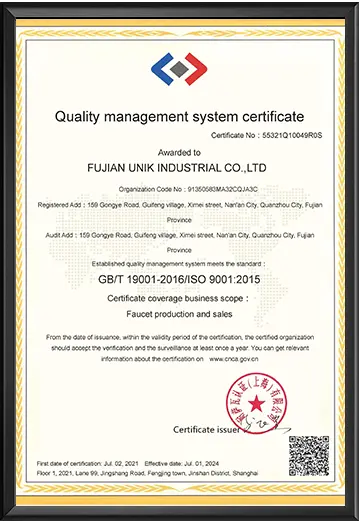
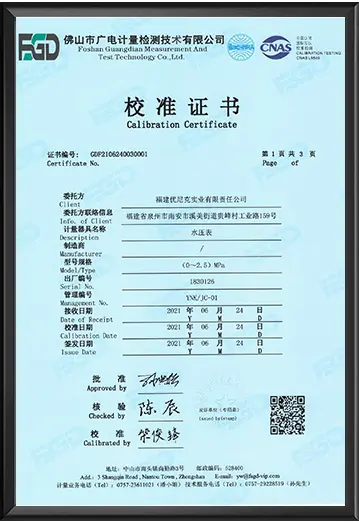
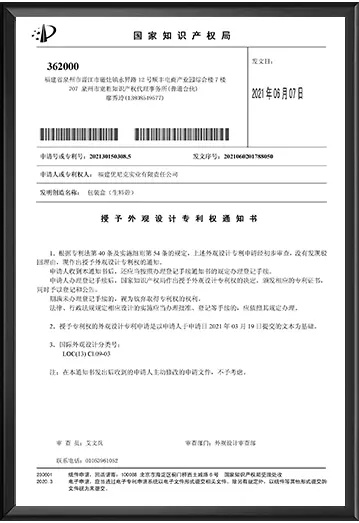
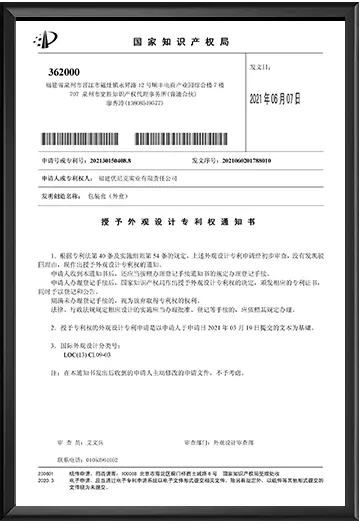
6. Quality Management & Certificate Display

To meet water safety standards globally, sanitary manufacturers must maintain third-party testing certifications. These credentials verify that the raw materials used and the structural integrity of the valves comply with international regulations.

Certificate 1
Certificate 2
Certificate 3
Certificate 4
Certificate 5
Certificate 6
Certificate 7
Certificate 8

7. Macro Industry Solutions: Sourcing Diagnostics & Quality Assurances

When executing high-volume OEM contracts, purchasing managers must address common structural vulnerabilities to avoid supply chain disruptions. Quality control should focus on three primary issues:

A. Avoiding Thread Tolerance Issues

Thread mismatches are a common reason for product returns. Standardizing thread production with calibrated ring gauges is essential. Metric threads must match the local target market standard: NPT for North America, BSPP/G for Europe and parts of Asia, and BSPT for specific industrial markets. A variance of even 0.05 mm can lead to slow, persistent leaks behind walls.

B. Mitigating Stress Corrosion Cracking (SCC)

SCC occurs when internal stresses in brass parts interact with corrosive agents in the environment, such as ammonia-based cleaning supplies. Manufacturers can prevent this by incorporating an annealing stage post-forging, which relieves internal material stress and improves long-term reliability.

C. Optimizing Flow Dynamics and Minimizing Cavitation

A poorly constructed internal flow path can create turbulence, resulting in noise and pipe vibration. High-quality 2-way angle valves feature optimized fluid paths that preserve flow velocity while keeping the pressure drop minimal.

8. Localized Support, Standardization, and Compliance

Expanding distribution networks requires meeting localized standards. For example, in the UK, potable water fittings require WRAS approval to ensure the non-metallic elements do not encourage bacterial growth. In France, the ACS certification governs sanitary products, while Germany relies on DVGW standards. Working with a manufacturer that maintains clean traceability records and uses verifiable brass heat numbers simplifies regional compliance checks.

9. Technical Roadmap & Future Innovations

The sanitary sector continues to incorporate new technologies. In commercial systems, standard manual isolation valves are increasingly being replaced by smart, electronic flow sensors. These smart designs integrate small flow monitoring sensors that detect leaks and communicate with building management systems via Wi-Fi or ZigBee. Additionally, modern physical vapor deposition (PVD) processes are replacing traditional electroplating methods, providing hard coatings with minimal environmental impact. Procurement teams should align with factories investing in these automated manufacturing techniques.

10. Frequently Asked Questions (FAQ)

Q1: What are the main cost drivers for China 2-Way Angle Valves?
The primary factors include copper price trends, the grade of the brass alloy (e.g., standard, low-lead, or dezincification-resistant), the weight of the valve, and the choice of manufacturing process (forged vs. gravity cast). High-end ceramic cartridges and premium surface finishes also affect the final price.
Q2: How do I choose between SUS304 and Brass for my project?
Brass remains the standard choice for residential installations due to its natural antibacterial properties and long-term durability. SUS304 stainless steel is a cost-effective, heavy-duty alternative suitable for commercial projects and areas with high humidity.
Q3: How do manufacturers test valves for leak prevention before shipment?
Most reputable manufacturers run automated pneumatic tests at 6 to 8 bar on every unit, followed by periodic hydrostatic tests at 16 bar to verify structural strength.
Q4: What thread types are standard for Europe versus North America?
European installations generally use BSPP (G) parallel threads, while North American projects require NPT tapered threads to ensure proper sealing.
Q5: Why is a ceramic cartridge preferred over a compression cartridge?
Ceramic cartridges are wear-resistant and operate smoothly with a simple quarter-turn. They resist scale buildup and typically last longer than traditional compression valves.

Looking for Customized Valve & Faucet OEM Solutions?

Fujian Unik Industrial Co., Ltd. provides end-to-end support, combining design customization with certified quality control to keep your supply chain running smoothly.

Contact Our Technical Engineers Now