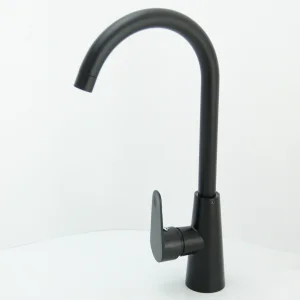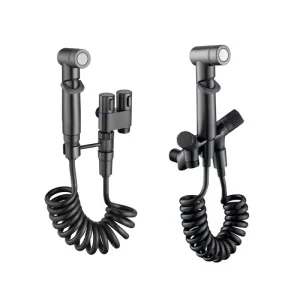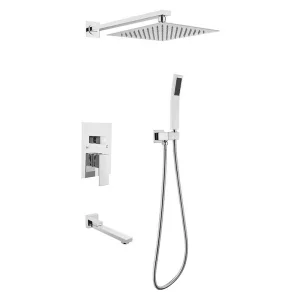
Engineered for High-Traffic Applications, Resilient Performance, and Architectural Sophistication
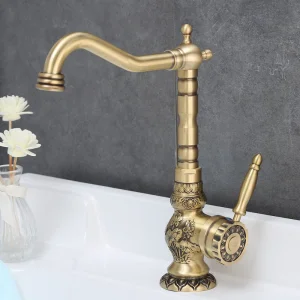
A Comprehensive Technical Report on Faucet Design, Environmental Compliance, and Manufacturing Synergies Serving the Japanese and Global Markets
The Japanese building sector operates under some of the world's most stringent environmental, sanitary, and space-efficiency criteria. Driven by both institutional mandates (such as the Ministry of Land, Infrastructure, Transport and Tourism guidelines) and cultural imperatives for sanitation, the plumbing market demands uncompromising standards. Faucets in Japan are not merely decorative bathroom hardware; they are critical components in complex greywater recycling systems, smart homes, and high-efficiency commercial structures.
Currently, the Japanese market is undergoing a structural transition characterized by an aging infrastructure requiring revitalization, a rapid expansion of senior-living facilities demanding universal barrier-free interfaces, and an intense focus on building decarbonization. This transition forces specifiers, MEP engineers, and hospitality developers to source products that offer exceptional durability, lower operating flow rates without compromising user experience, and absolute compliance with JIS (Japanese Industrial Standards) water quality specifications, particularly regarding lead leaching and alloy stability.
Under Japanese health regulations (specifically the Water Supply Act ministerial ordinances), the maximum allowable concentration of lead leaching from plumbing fittings is strictly capped at 0.01 mg/L (10 ppb). Achieving this threshold requires specialized metallurgical control, utilizing dezincification-resistant (DZR) brass alloys or advanced lead-free copper-bismuth alloys. Our manufacturing processes utilize low-lead gravity casting and precision machining to ensure all exported units comfortably exceed these requirements.
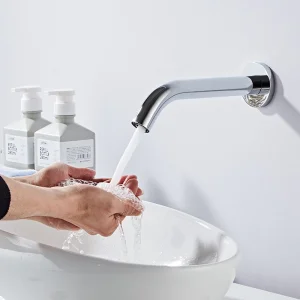
Globally, the market is moving parallel to these high standards. International green building ratings like LEED (Leadership in Energy and Environmental Design), BREEAM, and local equivalents in APAC demand highly calibrated aerators, flow limiters, and smart sensor modules. The rise of touchless infra-red sensors has expanded from high-traffic transport hubs (such as Haneda or Narita airports) into standard office developments and modern residences, highlighting a global shift toward hygienic, touch-free interfaces that minimize water waste.
Leaching Lead Standard Compliant
Lifecycle Cartridge Testing (Cycles)
Double Pressure Factory Tested
Water-Saving Efficiency vs. Standard Taps
The Nan’an industrial region in Fujian province, widely recognized as China's plumbing capital, represents an unparalleled ecosystem of integrated design, engineering, and manufacturing. Unlike isolated manufacturing facilities, the Nan'an cluster consolidates the entire supply chain footprint within a 50-kilometer radius. This includes raw copper refining, gravity and low-pressure die casting, high-precision multi-axis CNC machining, advanced physical vapor deposition (PVD) surface treatment, and internationally accredited laboratory testing.
For Japanese distributors and procurement professionals, this geographic concentration yields distinct competitive advantages:
Shared infrastructure and highly optimized logistical channels lower overhead costs, allowing us to pass significant cost efficiencies directly to our clients without compromising raw material integrity.
Our proximity to rapid prototyping and mold-making specialists compresses lead times for custom designs, rendering bespoke product modifications economically viable even for medium-sized residential runs.
Through dedicated spectrum analysis and induction melting furnaces, we closely regulate chemical compositions to eliminate impurities, delivering DZR and lead-free alloys compliant with Japanese regulations.
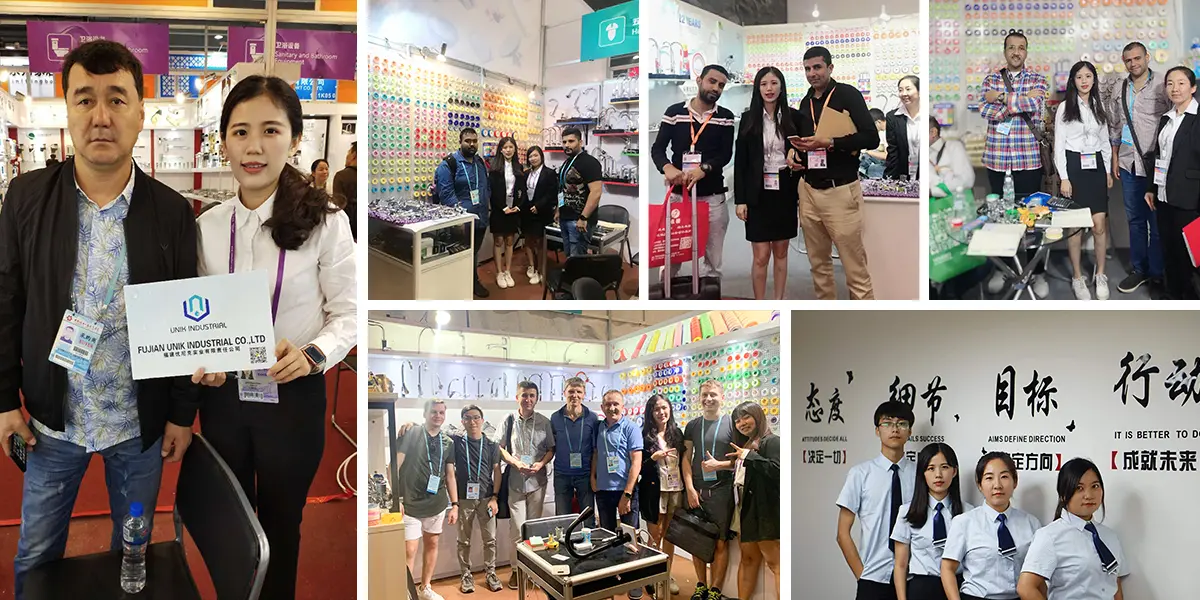
Operating out of this cluster, FUJIAN UNIK INDUSTRIAL CO., LTD. leverages these strategic capabilities to combine global volume efficiencies with localized customization. Our engineering team routinely translates intricate CAD models into reality, tailoring products to meet the complex aesthetic and functional sensibilities of modern Japanese architectural designs.
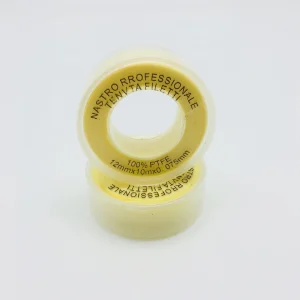
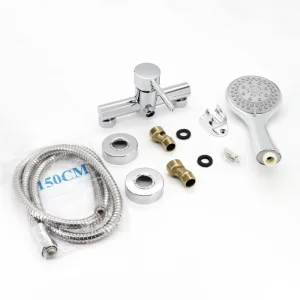
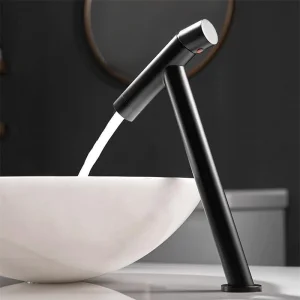
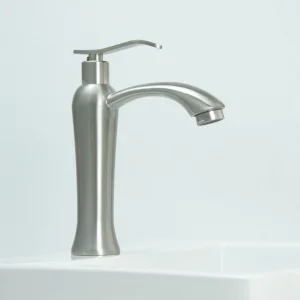
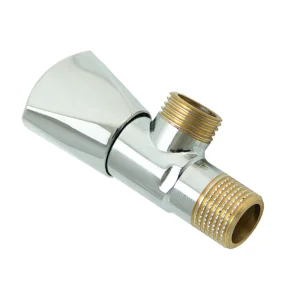
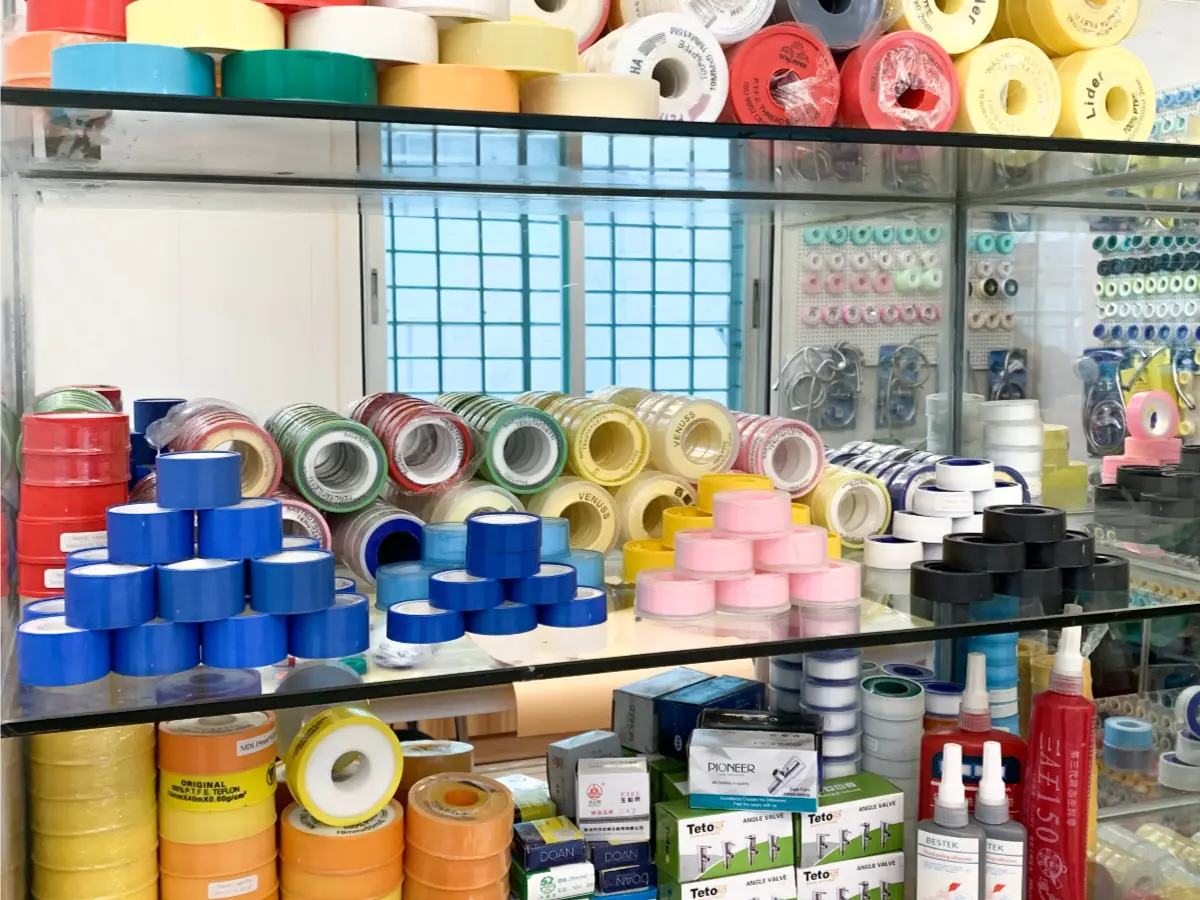
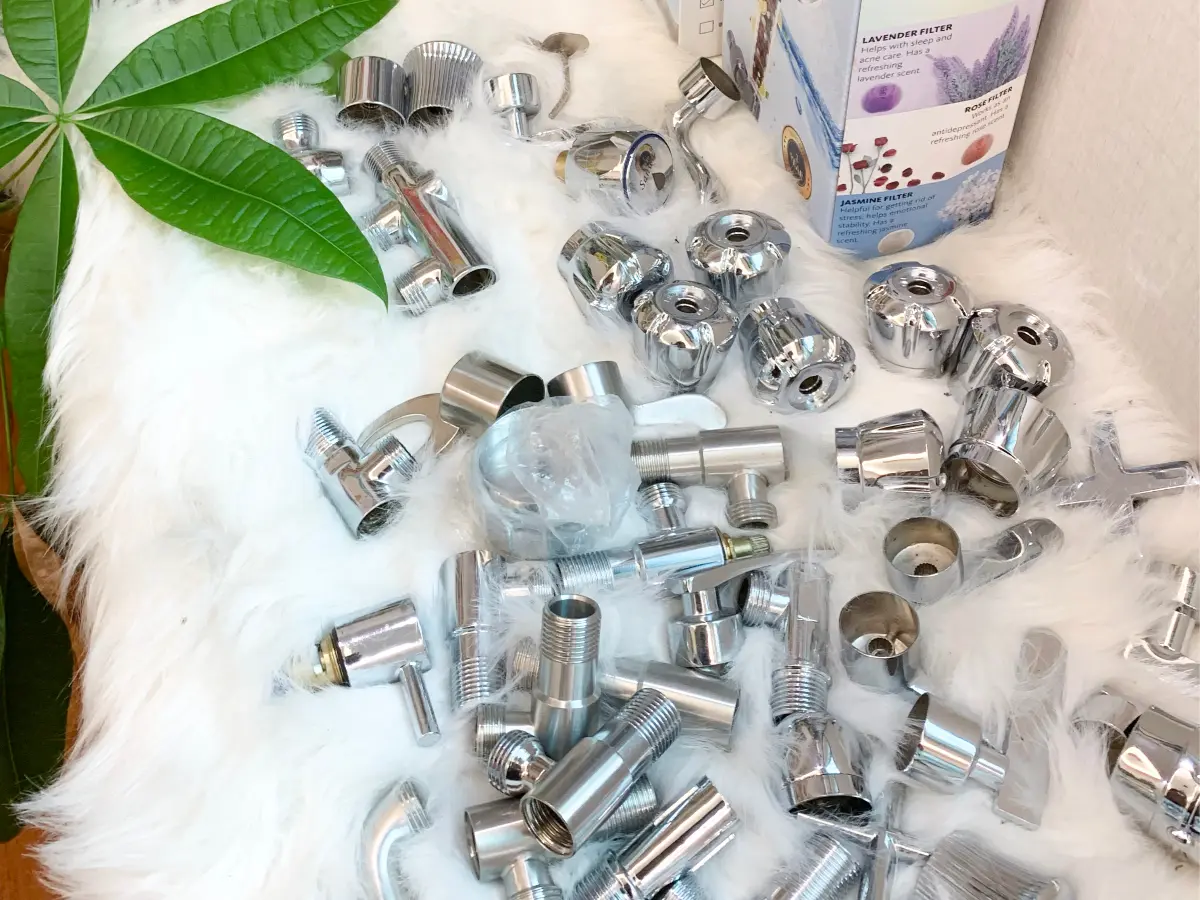
FUJIAN UNIK INDUSTRIAL CO., LTD is located in Nan’an city, the hometown of water heating in China. We have our own faucet factory and PTFE thread seal tape factory. And we have professional processes and services for the innovation, customization, and sales of faucets and PTFE thread seal tape. Our company utilizes advanced technology and processing systems, sourcing raw materials carefully to service global partners. Our main production lines focus on (1) High-efficiency Faucets, (2) Specialized PTFE thread seal tape, (3) Angle valves, (4) Shower heads, and (5) Flexible connection hoses.
Send Inquiry NowExplore our extensive collection of design-led, engineered brassware and installation accessories
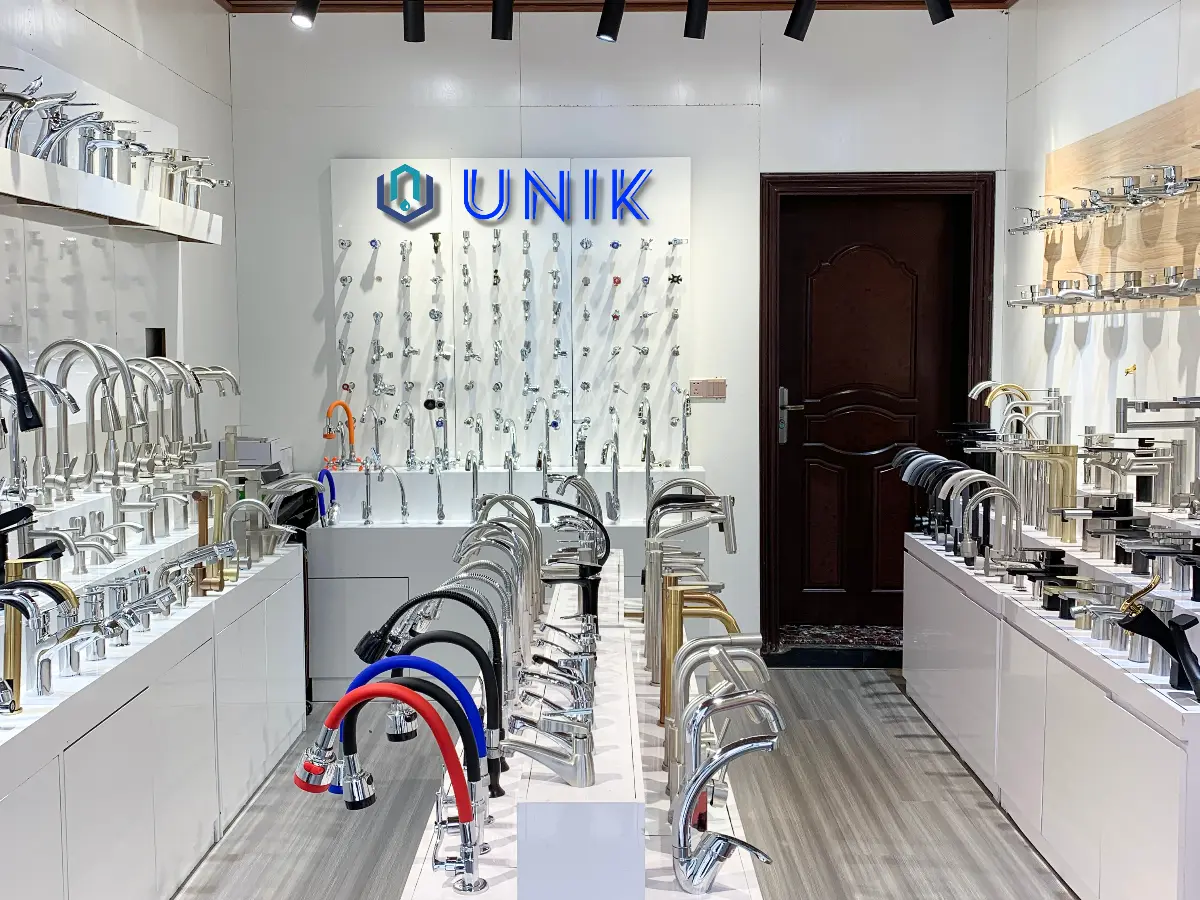
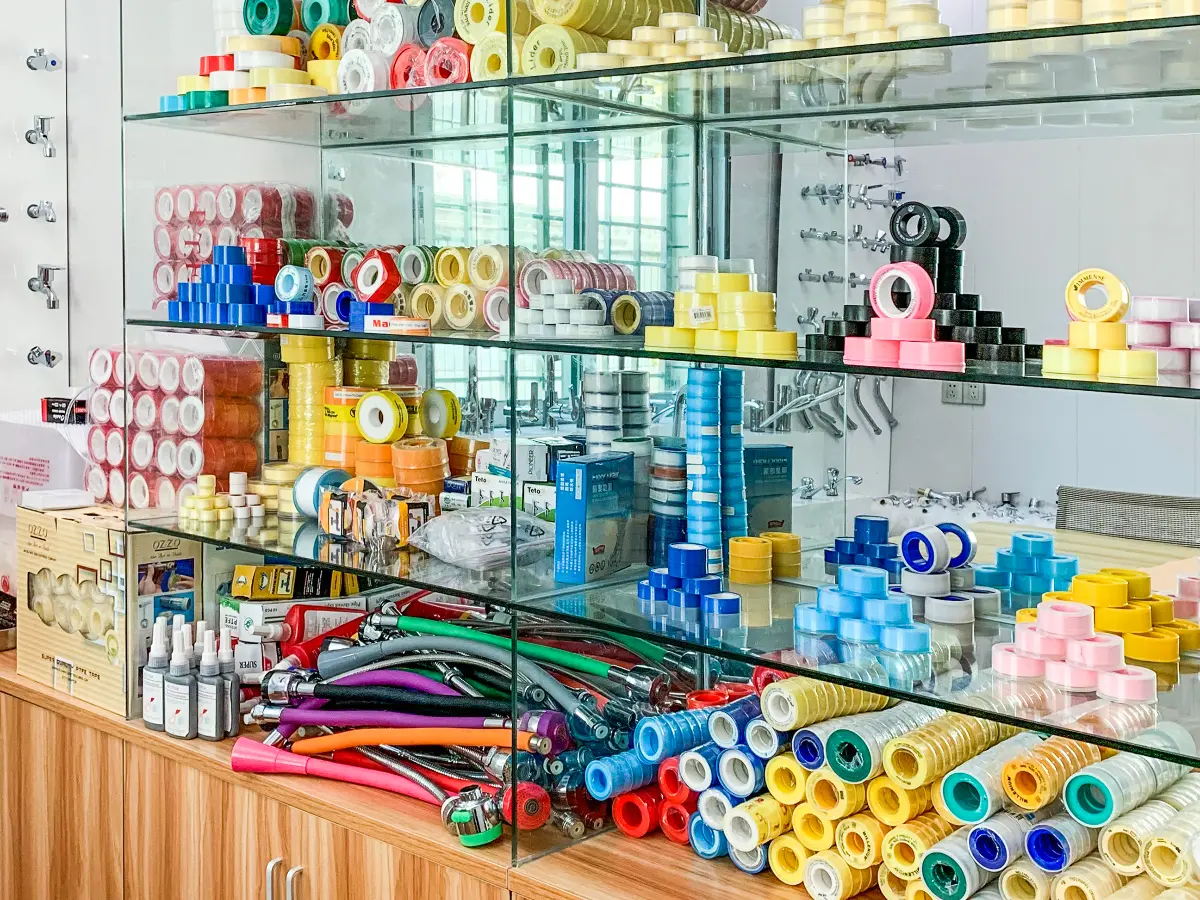
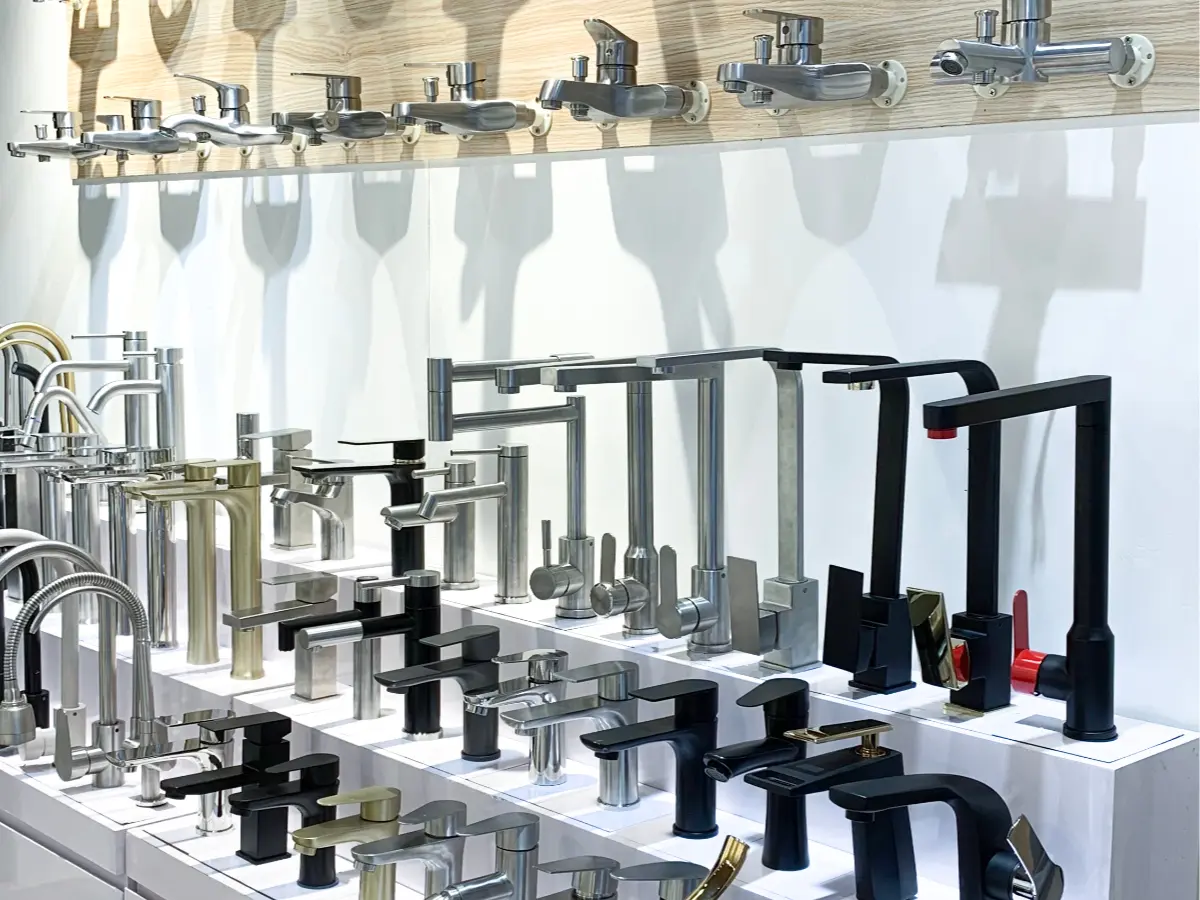
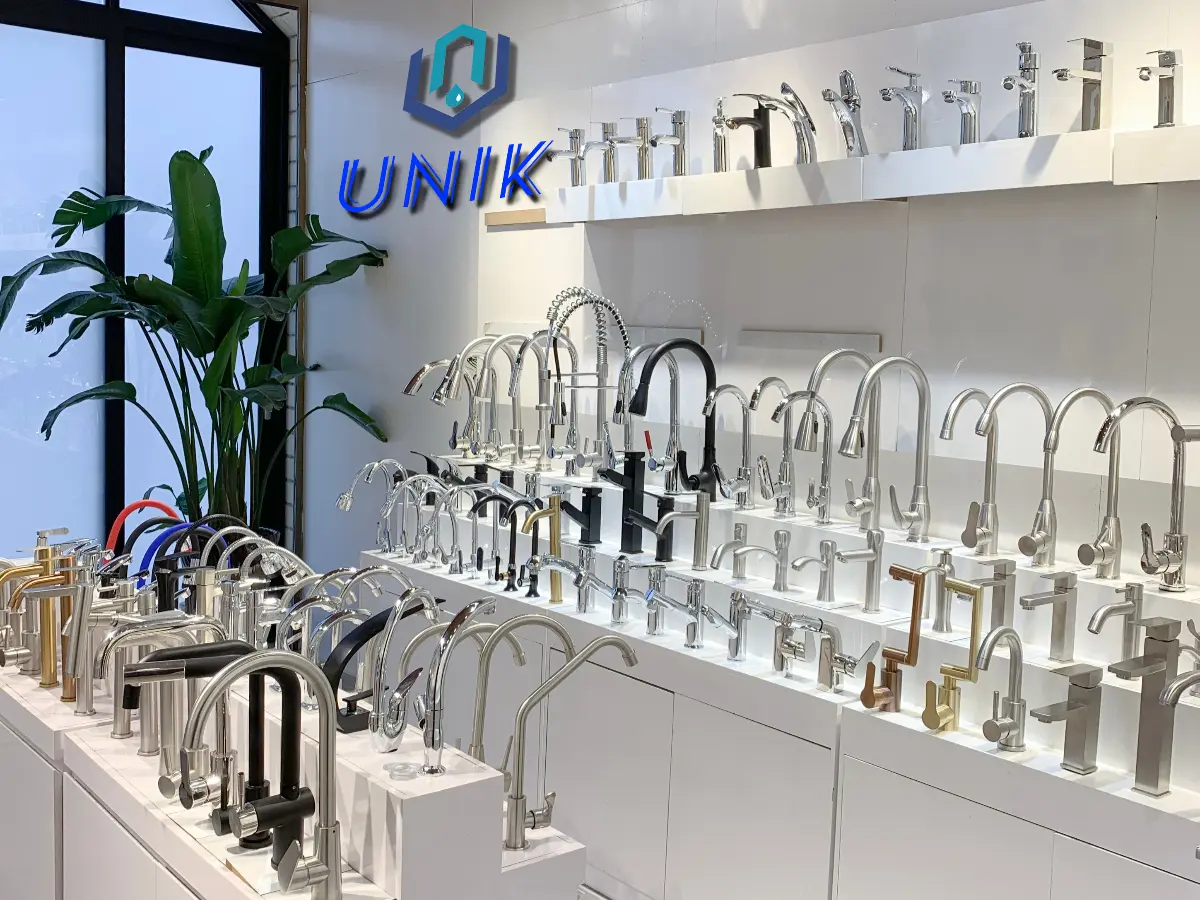
Modern Japanese bathroom design is characterized by modularity, minimalism, and integration with home automation. Standard residential layouts often employ pre-fabricated unit bathrooms (system baths). Fitting faucets into these systems requires a high level of dimensional precision and compatibility with integrated piping manifolds. Additionally, the rapid adoption of smart-home networks (such as ECHONET Lite protocols commonly used in Japan) is transforming bathroom hardware into connected IoT endpoints.
UNIK's product architecture addresses these complex requirements directly:
Furthermore, our localized surface finishings are highly resilient to regional cleaning agents and mineral contents. Whether in luxury hotels in Kyoto or high-traffic commercial zones in Tokyo, UNIK faucets maintain their structural integrity and finish over long periods of heavy use.
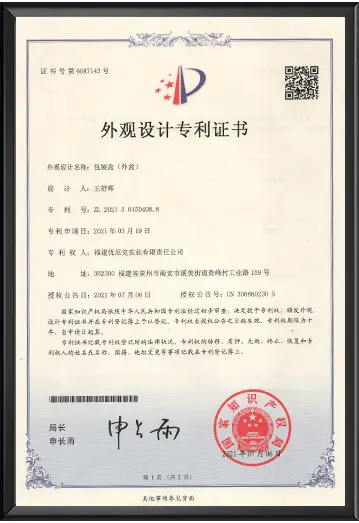
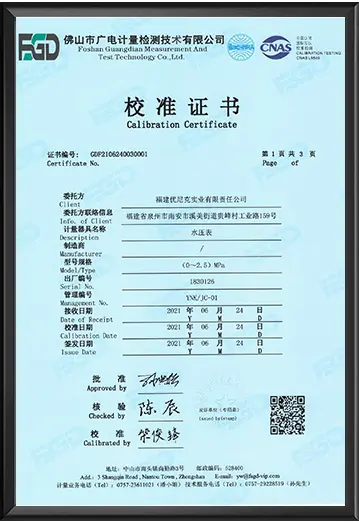
Verifiable Quality Credentials Backed by Global Testing Standards and Trade Show Exhibitions
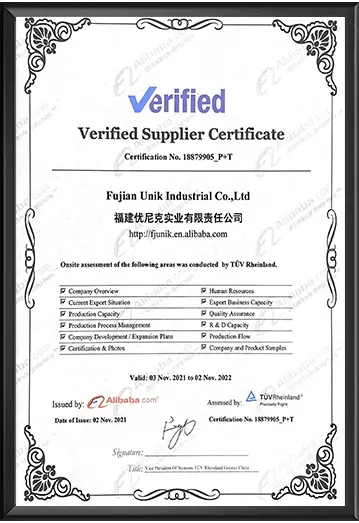
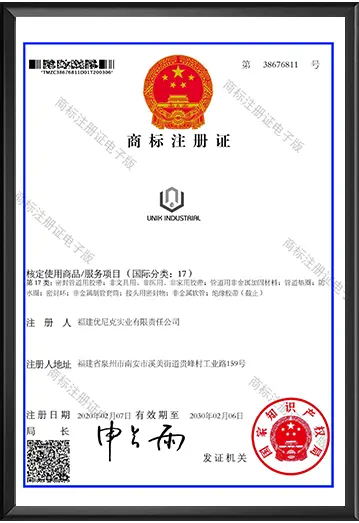
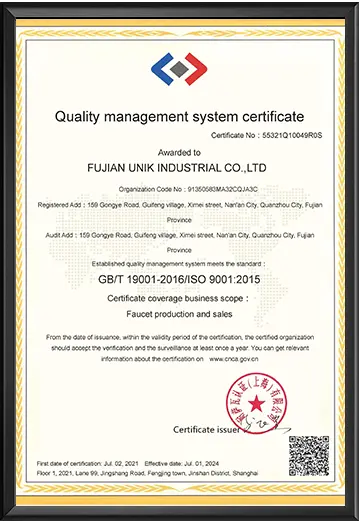
Our foundry utilizes premium HPb59-1 and CW617N brass bars with rigorous control over lead content. We utilize modern spectrum analysis before casting to verify material makeup. For products bound for the Japanese market, we perform specialized chemical washing and post-casting de-leading treatments. This lowers the surface lead index and guarantees compliance with the 0.01 mg/L limit under Japan’s Water Supply Act.
Every commercial-grade faucet goes through rigorous performance testing: hydro-pressure testing at up to 1.6 MPa (16 Bar) to verify body integrity, pneumatic seal testing at 0.6 MPa to identify micro-leaks, and life-cycle tests of the ceramic disc cartridge to 500,000 cycles. We also conduct 24-hour Acid Salt Spray (ASS) tests to confirm our chrome and PVD finishes maintain their integrity in demanding environments.
We offer full engineering services, adapting thread pitches (BSP, NPT, or local Japanese G-threads), body lengths, and customized base escutcheons to align with pre-fabricated system bathrooms. We can also integrate private-label laser engravings and custom packaging styles to support local brands and distributors.
By grouping local raw material suppliers, casting foundries, machining centers, and packaging plants, we minimize logistics transit times. Standard lead times range between 25 and 35 days, which is approximately 15% faster than isolated manufacturers, while reducing internal transport and handling risks.
Yes. We use standard European-style ceramic cartridges (such as Sedal or Kerox) and Swiss Neoperl aerators, which are readily available globally and in Japan. This ensures straightforward long-term maintenance and easy sourcing of replacement parts for facility managers.
Architectural Brassware Designed for Extended Operational Cycles and Water Efficiency